DECRA Roofing vs Tile vs Metal — Which Is Best for Dallas?
DECRA stone-coated steel, clay tile, and standing-seam metal are the three premium roof systems Dallas homeowners weigh — and each wins on different ground. DECRA gives you the classic tile and shake look on a lightweight steel core that shrugs off hail, clay tile delivers unmatched traditional curb appeal at a heavier structural cost, and standing-seam metal offers the longest maintenance-free service life. The right choice comes down to your home’s architecture, roof slope, and budget. StazOn Roofing has installed all three across Dallas and Fort Worth since 1980 — call 214-466-1518 for a free evaluation.
Request Your Free Estimate
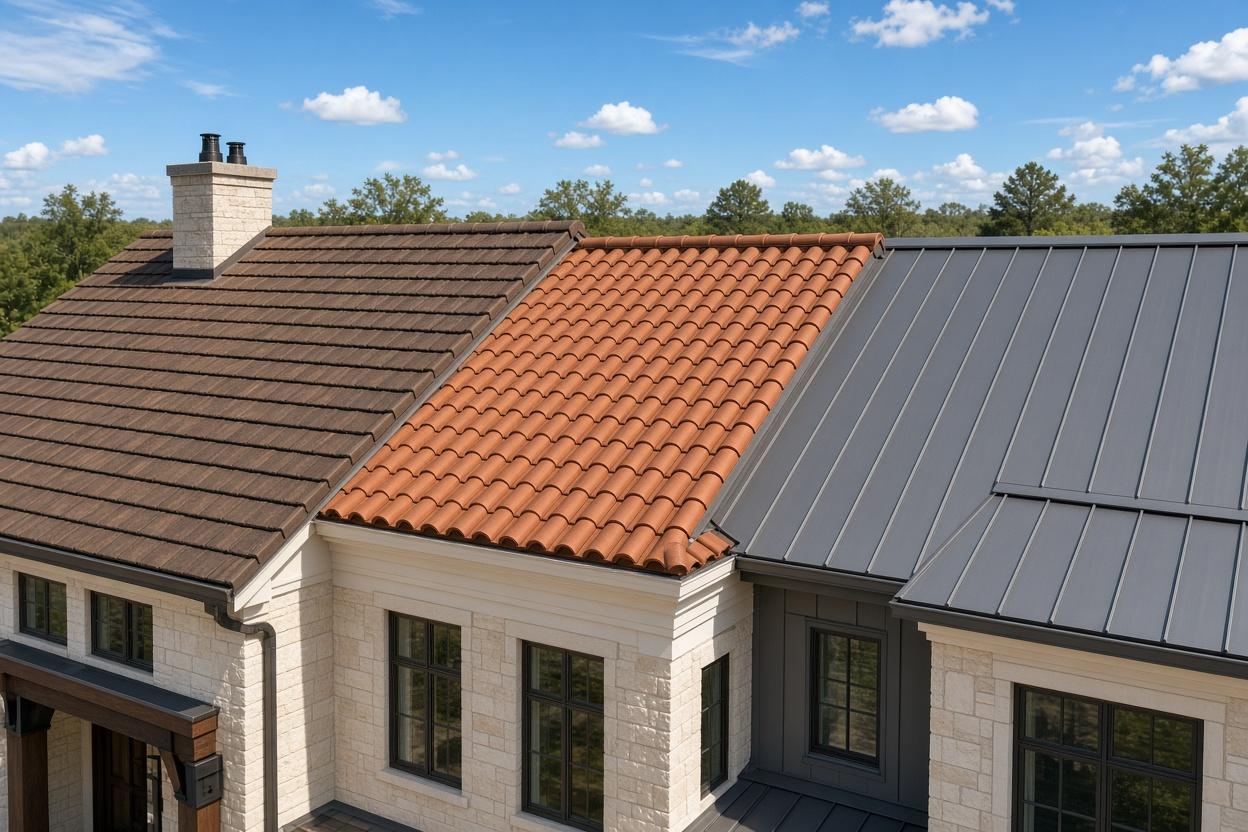
What's the Difference Between DECRA, Tile, and Metal Roofs?
These three premium systems take very different paths to the same goal — a roof that outlasts asphalt. Here is the short version before we dig into the details.
- DECRA stone-coated steel — steel panels coated with ceramic stone that install like tiles, shakes, or slate
- Clay and concrete tile — traditional fired-clay or concrete units laid course by course over a heavy deck
- Standing-seam metal — long vertical steel panels joined by raised hidden seams
For the full overview of the stone-coated system, read what is DECRA roofing, and compare roof types in our DECRA tile roofs in Dallas guide.
Call 214-466-1518.
Which Roof Is Lighter — DECRA, Tile, or Metal?
Standing-seam metal and DECRA are close in weight; clay tile is in a completely different, much heavier class. Weight decides whether your roof needs structural reinforcement, which is one of the biggest hidden costs of a tile roof.
- DECRA — roughly 1.6 to 2.5 pounds per square foot, light enough for most existing framing
- Standing-seam metal — about 1.0 to 1.5 pounds per square foot, the lightest of the three
- Clay tile — 6 to 12 pounds per square foot, often demanding added structural support
If your Dallas home was framed for asphalt, that weight difference can push tile install costs well above the panel itself — a point our tile vs asphalt cost guide lays out in full.
Call 214-466-1518.
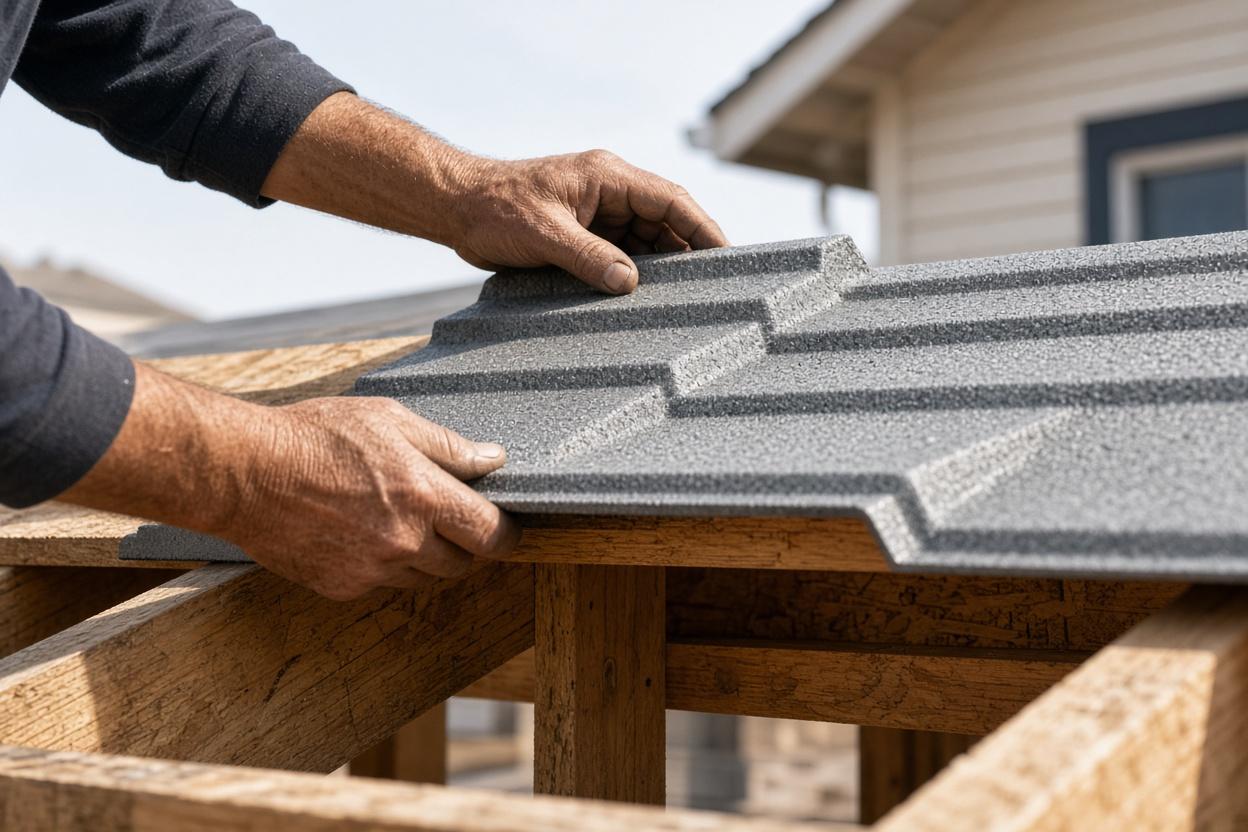
How Does Price Compare: DECRA vs Tile vs Metal in Dallas?
All three sit well above asphalt, but they price out in a clear order: standing-seam metal and premium tile at the top, DECRA in the middle. Installed costs on a typical single-story Dallas home run roughly as follows.
- DECRA — $12,000 to $20,000 installed, sitting comfortably between asphalt and premium systems
- Clay tile — $18,000 to $30,000+ once framing reinforcement and premium labor are counted
- Standing-seam metal — $18,000 to $30,000+ for mid-grade panels, more for premium gauges and seams
For a full line-by-line breakdown, see how much DECRA roofing costs in Dallas, and get a firm number for your roof with StazOn’s free estimate.
Call 214-466-1518.

Which Roof Holds Up Better in Texas Hail and Wind?
This is the decision that separates the three in DFW. All three systems beat asphalt in a storm, but they handle hail and wind very differently — and hail is the force that actually damages roofs in Dallas.
- DECRA — Class 4 impact rating; stone-coated steel absorbs hail with no bruising or granule loss
- Standing-seam metal — Class 4 options available, but large hail can dent the panels and show it
- Clay tile — strong against heat, but brittle; hail can crack individual units that then need replacing
Stone-coated steel and standing-seam are the two most storm-forgiving premium systems — compare their noise and feel in is DECRA roofing quieter than metal, then see how StazOn repairs metal roofs in DFW.
Call 214-466-1518.
DECRA vs Tile vs Metal: Which Lasts the Longest?
With proper installation and care, standing-seam metal and DECRA can both outrun clay tile in real-world Texas service. Lifespan claims need honesty about how hail, expansion, and fastener wear play out over decades.
- DECRA — 50-year material warranty; steel core and ceramic stone built to outlast the mortgage
- Standing-seam metal — 40 to 50 years or more; hidden fasteners and moving seams handle expansion
- Clay tile — a 50-to-100-year material, but cracked units and replacement labor shorten real service life
See the stone-coated steel versus asphalt math in how long DECRA lasts vs asphalt — the material strands are the same when you compare against tile and metal.
Call 214-466-1518.
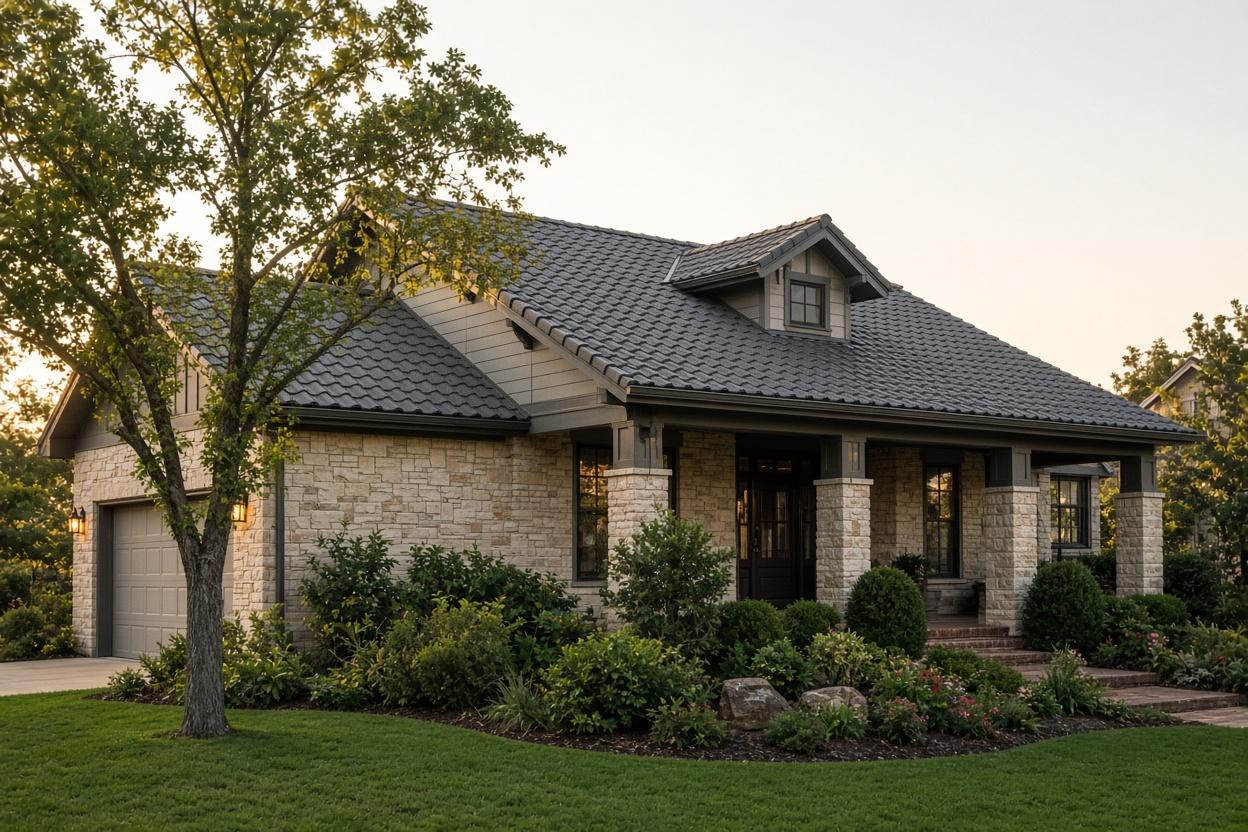
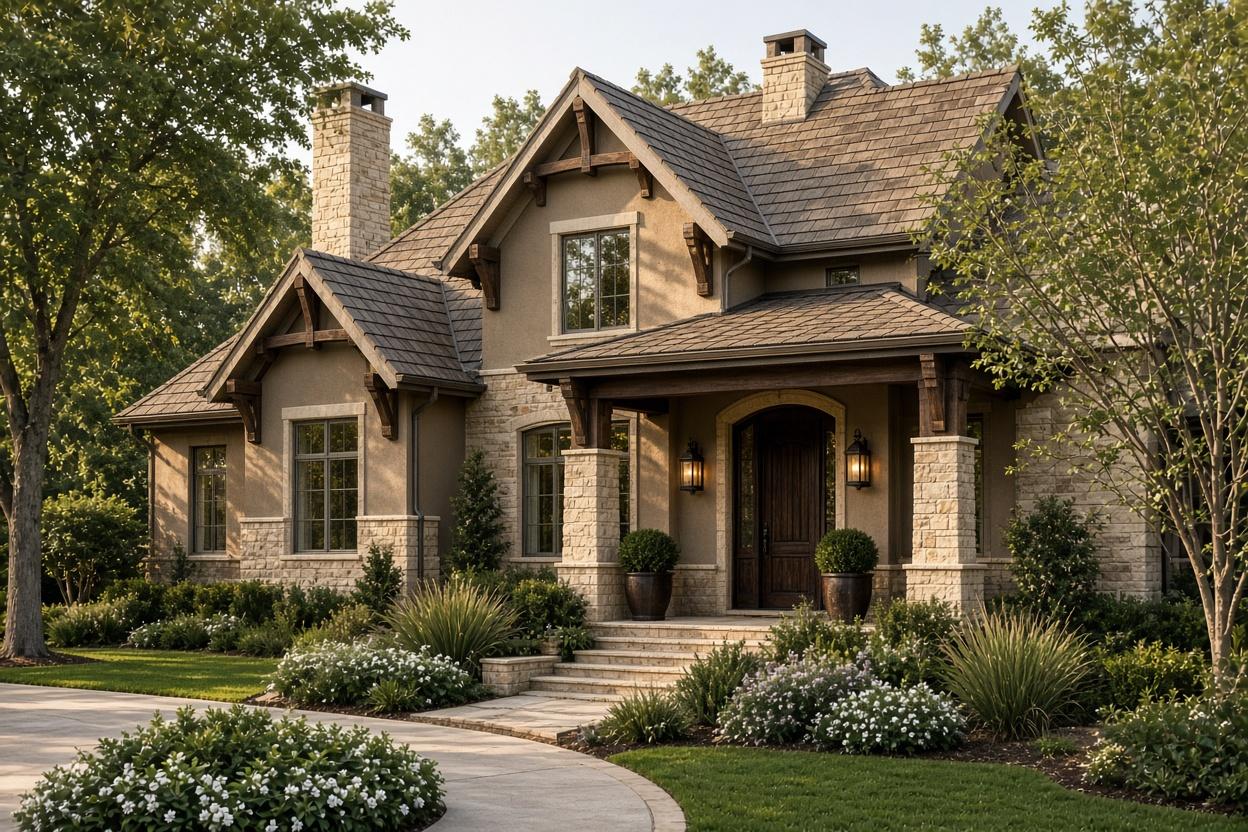
Which Roof Looks Best on a Dallas Home?
All three premium systems elevate curb appeal far beyond asphalt — the difference is the character each brings. The right look depends heavily on your home’s architecture and neighborhood.
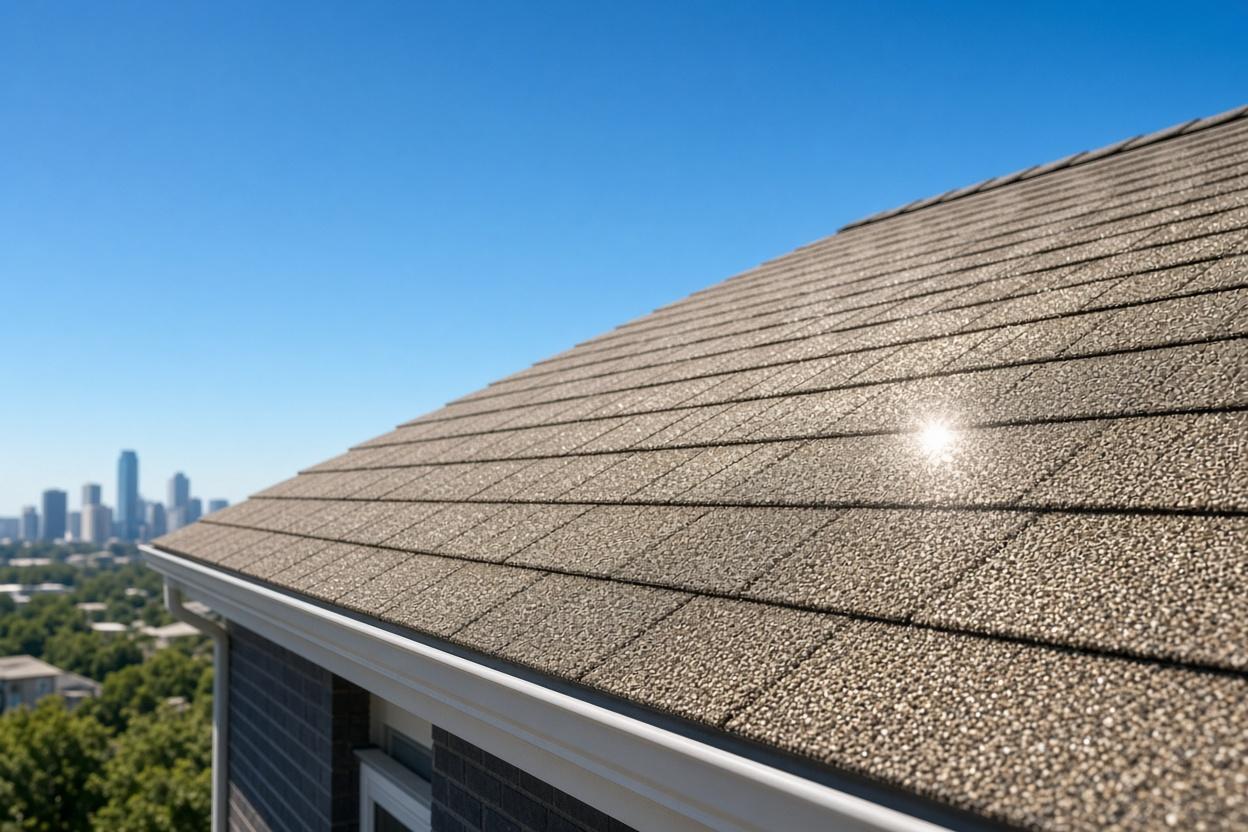
- DECRA — delivers the classic tile and shake profiles in a variety of colors, with a softer, granular texture
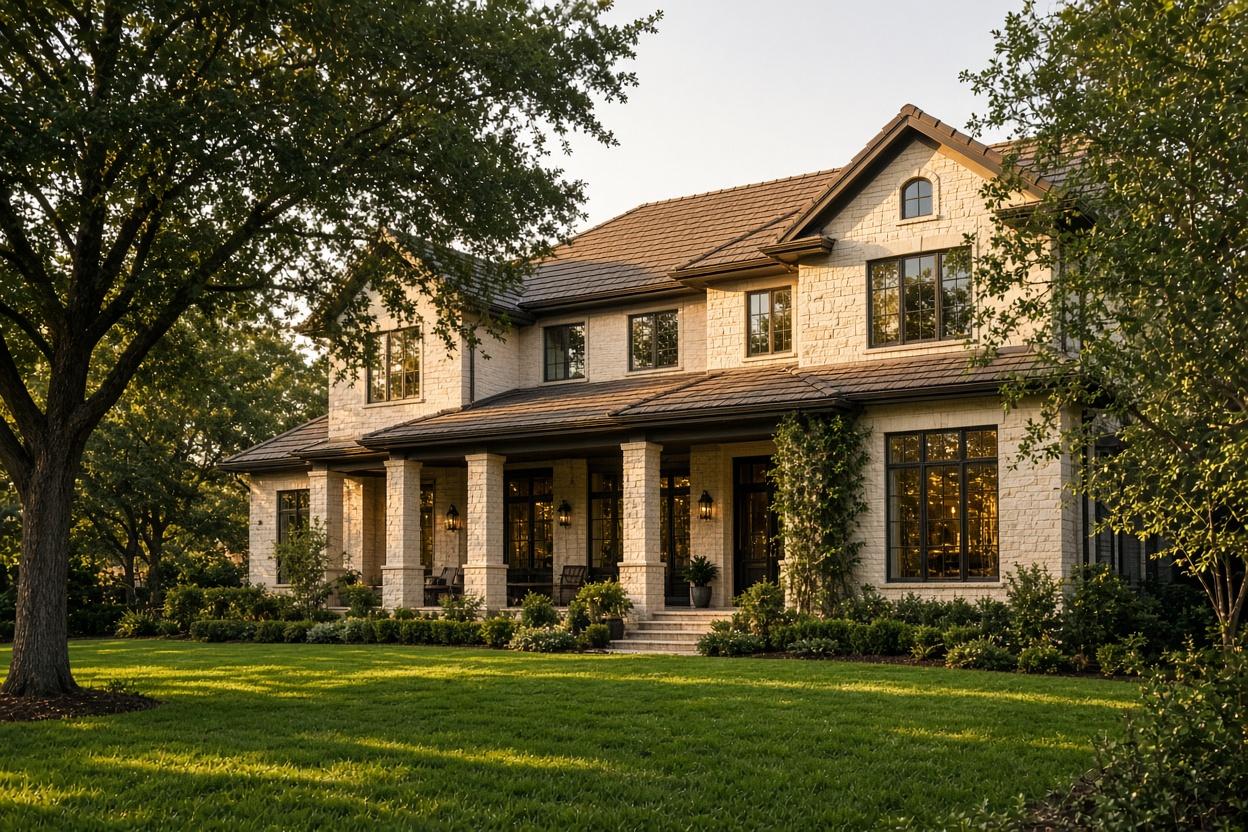
- Clay tile — the undisputed traditional Mediterranean and Spanish look, rich and dimensional
- Standing-seam metal — modern, clean, and architectural; ideal for contemporary and farmhouse styles
Because DECRA installs like tile without the weight and storm fragility, it is the profile most Dallas buyers use to get the tile look on a steel core — explore the tile roofing Dallas guide to weigh it against real fired clay.
Call 214-466-1518.
Which Roof Is Cooler and More Energy-Efficient in Texas Summer?
All three reflect heat better than dark asphalt, but the best energy numbers come from how the system handles attic heat, not just the surface color.
- DECRA — the stone coating reflects solar heat and the steel core moves heat out fast, cooling the attic
- Standing-seam metal — highly reflective, plus the raised seams create a ventilated air gap under the panels
- Clay tile — good heat reflection, and the air space under tiles acts as a natural thermal break
In 100-degree DFW summers, that reduced attic heat means less work for your AC. StazOn can quote a premium metal or tile system sized to your home and cooling load.
Call 214-466-1518.
Which Roof Needs More Maintenance in DFW?
Standing-seam metal needs the least upkeep of the three, and DECRA comes close behind — clay tile asks for the most hands-on attention.
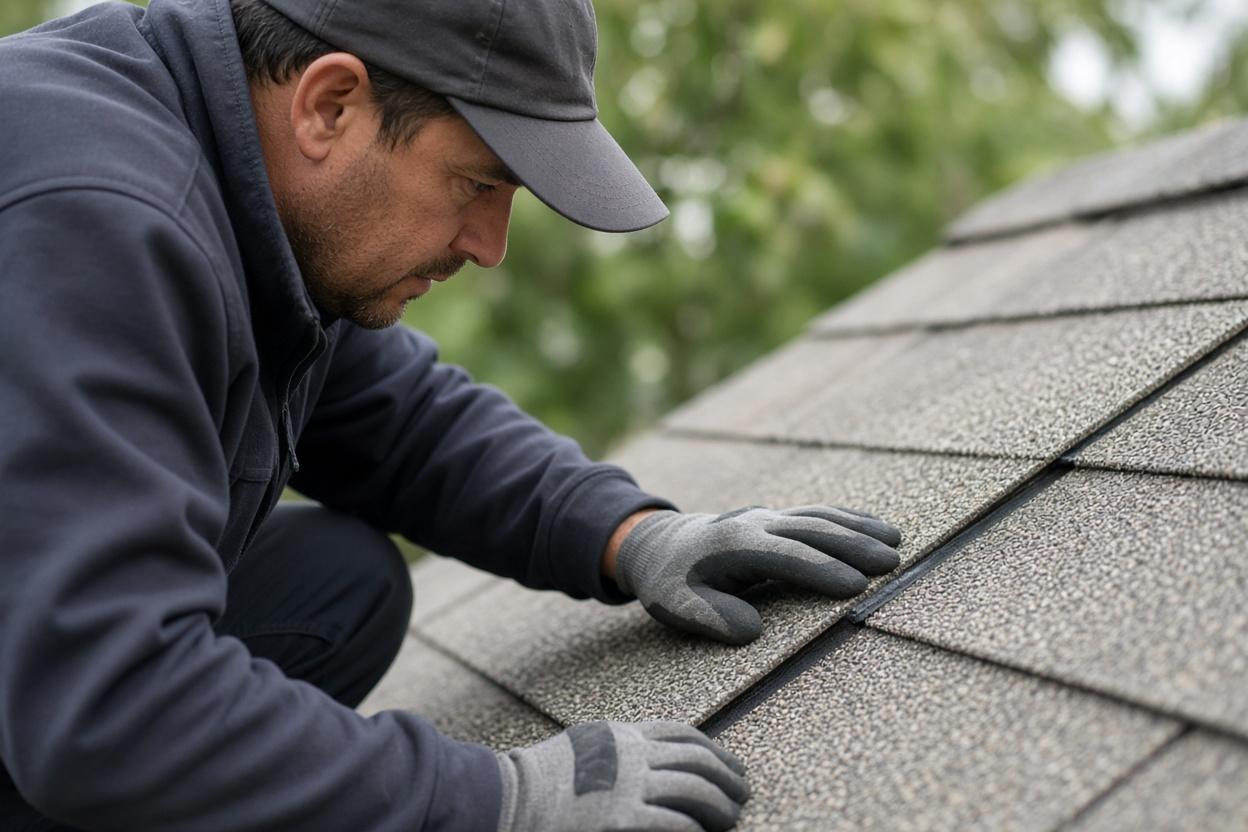
- DECRA — no recoating or sealing; just an annual inspection and gutter care, the same as any roof
- Standing-seam metal — very low maintenance; occasional inspection of seams, flashings, and fasteners
- Clay tile — cracked units need replacement, ridge caps loosen, and the underlayment wears and needs periodic service
Whichever premium system you choose, StazOn’s residential roofing team covers installation and the annual checks that keep a premium roof slamming for decades.
Call 214-466-1518.
What Roofers, Slopes, and Details Should You Factor In?
Installer Certification
Clay tile and DECRA both demand factory-trained installers — a heavy tile roof or a stone-coated panel installed wrong fails at the flashings and edges first. Confirm your contractor’s credentials before any premium-system quote.
Roof Slope and Framing
Standing-seam and DECRA suit a wide range of slopes. Tile needs a steeper roof to shed water properly and a stronger deck to carry the weight — a low-pitch Dallas roof may steer you toward metal or DECRA.
Hail Exposure
North Texas sees hailstorms every spring. If your home sits in a hail corridor, DECRA’s Class 4 stone-coated steel is the most forgiving — while heavy hail can dent standing-seam and crack individual tile units.
Home Resale Value
Premium roofs — especially tile on a home built to suit it — are a documented resale draw. DECRA and standing-seam also transfer well, with warranties and a modern look that buyers in Dallas recognize and value.
So Which Is Best: DECRA, Tile, or Metal for Your Dallas Home?
There is no single winner — there is the right roof for your house. As a rule of thumb for Dallas homeowners:
- Choose DECRA — if you want the classic tile or shake look without the weight, the storm fragility, or the huge installed price of clay
- Choose clay tile — if a traditional Spanish or Mediterranean look is non-negotiable, your framing can carry the weight, and you accept higher cost and maintenance
- Choose standing-seam metal — if you want the most modern, lowest-maintenance, longest-lasting system and like the architectural look
Get it right the first time. StazOn has installed all three across DFW since 1980 and will walk you through the best system for your home and budget — call 214-466-1518 for a free evaluation today.
Call 214-466-1518.
FAQ
Is DECRA roofing better than tile?
DECRA gives you the tile look on a lightweight steel core that resists hail, so it is often the better practical choice for storm-prone Dallas homes. Real fired clay wins on traditional curb appeal but costs more, weighs far more, and cracks under hail.
Is DECRA roofing cheaper than tile?
Yes. A DECRA stone-coated steel roof typically runs $12,000 to $20,000 installed, while clay tile commonly lands at $18,000 to $30,000+ once framing reinforcement and premium labor are included. DECRA is the more budget-friendly premium system.
Is DECRA roofing better than metal?
DECRA and standing-seam metal are both excellent, but they differ: DECRA offers tile and shake profiles with a granular texture and Class 4 hail resistance, while standing-seam metal is lighter and arguably lower-maintenance but can dent and has a modern look. It comes down to aesthetics and priorities.
How much heavier is a tile roof than DECRA?
Clay tile weighs roughly 6 to 12 pounds per square foot, while DECRA stone-coated steel weighs about 1.6 to 2.5 pounds. Tile so often demands structural reinforcement that its installed price climbs well above DECRA.
Does hail damage a metal roof?
Standing-seam metal can dent in severe hail, leaving visible marks even though protection holds. DECRA’s stone-coated steel carries a Class 4 impact rating that resists hail bruising far better, while clay tile can crack under the same storm.
Does StazOn install DECRA, tile, and metal roofs in Dallas?
Yes. StazOn Roofing has installed stone-coated steel, clay tile, and standing-seam metal across Dallas and Fort Worth since 1980 and holds GAF Master Elite status, requiring certified, factory-trained installation. Call 214-466-1518 for a free estimate.