TPO vs EPDM Roofing — Which Flat Roof Is Best for Dallas?
Get Your Free Estimate
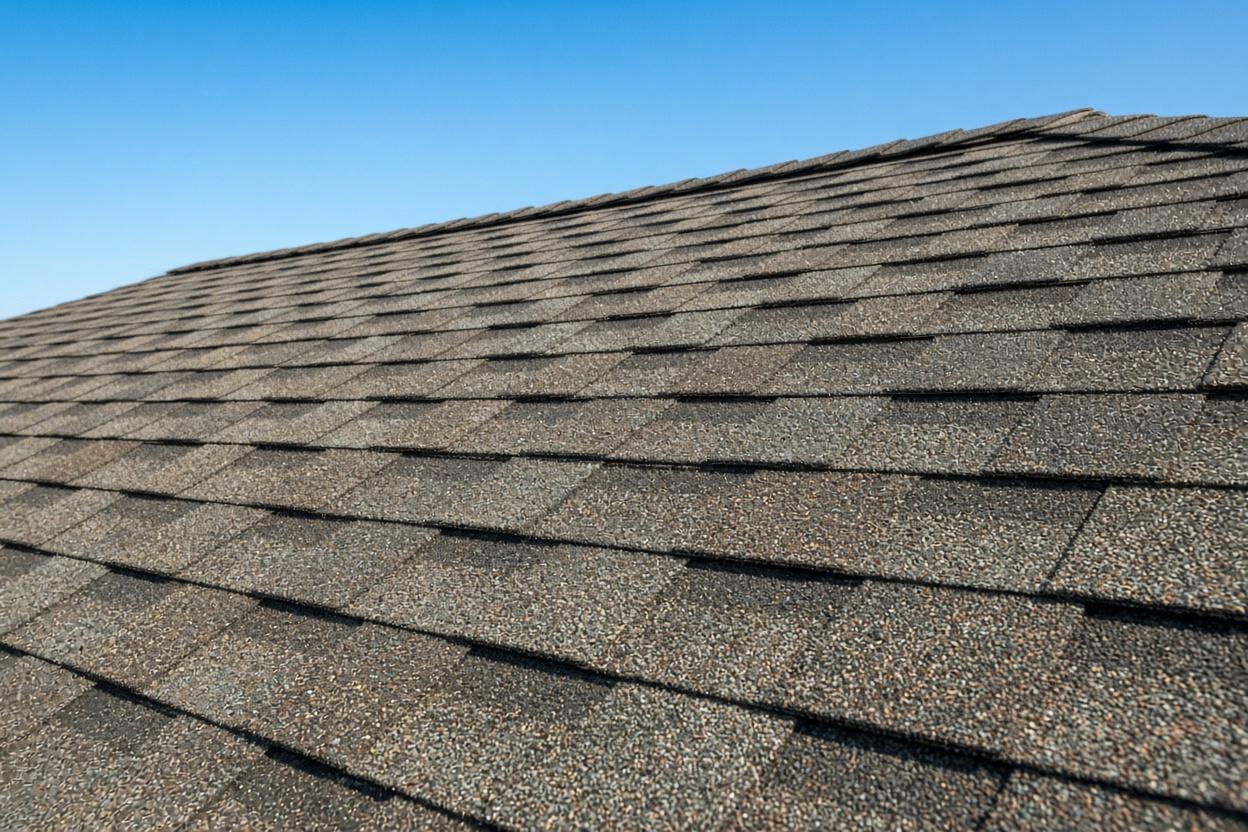
Choosing Between TPO and EPDM Roofing in Dallas
When a flat roof in Dallas needs replacement, you’re likely choosing between TPO and EPDM — the two most common single-ply membranes on the market. Both work well on low-slope roofs across DFW, but they are not the same roof.
TPO (thermoplastic polyolefin) is a heat-reflective white membrane that handles Texas sun better. EPDM (ethylene propylene diene terpolymer) is a tried-and-true black rubber roof that’s been around since the 1960s.
Your choice comes down to: roof slope, sun exposure, budget, and how long you plan to stay in the building. Flat roof systems in Dallas vary widely — we help you match the membrane to the property.
Call 214-466-1518.
What's the Difference Between TPO and EPDM Roofing?
Material: TPO is a heat-welded thermoplastic single-ply membrane with reinforced polyester scrim. EPDM is a synthetic rubber sheet adhered or ballasted — no heat welding, just seam tape or liquid adhesive.
- Color: TPO is white by default (reflects heat). EPDM is black (absorbs heat, but tougher).
- Seams: TPO seams are heat-welded for a monolithic bond. EPDM seams rely on tape or glue — the weakest point of the system.
- Thickness: Both come in 45-mil, 60-mil, and 90-mil; thicker means more puncture resistance.
- Installation: TPO requires a heat gun and experienced welders. EPDM goes down faster with adhesive or ballast — less labor cost.
Both membranes work on low-slope roofs, but TPO typically wins in Dallas because the white surface reflects our intense sun. TPO roofing in Dallas is the more common choice for new commercial construction.
Call 214-466-1518.
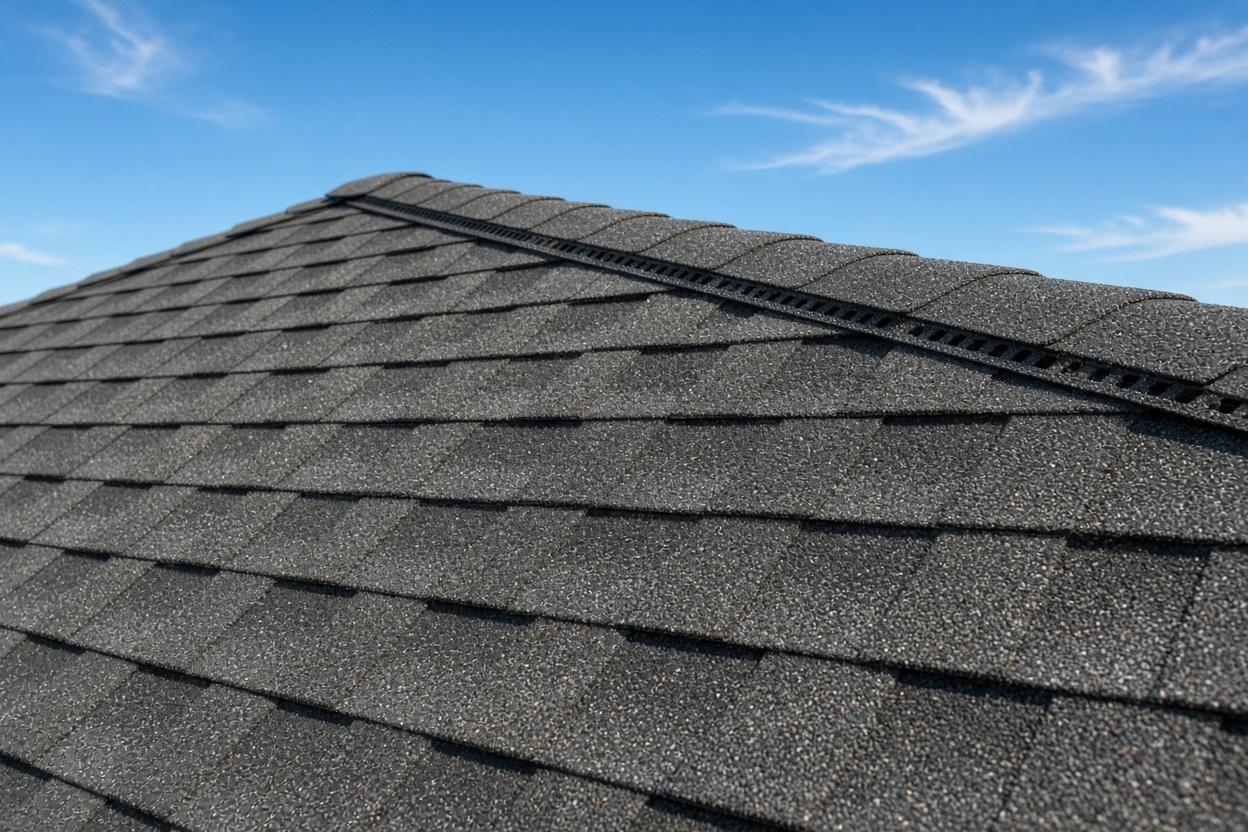
Which Flat Roof Lasts Longer in the Dallas Heat?
Dallas summers push any roof to its limit. Here’s how TPO and EPDM compare:
- TPO lifespan: 20–30 years with proper installation and maintenance. The white surface reflects UV rays, slowing material degradation.
- EPDM lifespan: 25–35 years — the rubber chemistry holds up well — but only if the roof sees less direct sun or is protected by gravel ballast.
- Heat factor: A black EPDM roof on an exposed DFW building can reach 160°F surface temperature. TPO stays 40–60°F cooler, which reduces HVAC load and slows material aging.
- Thermal shock: EPDM handles thermal contraction better than early TPO formulas. Modern TPO (fiberglass-reinforced) has largely closed that gap.
In DFW’s full-sun conditions, a white TPO roof tends to outlast black EPDM on the same building — simply because it runs cooler. Flat roof lifespan in Texas depends heavily on sun exposure and maintenance frequency.
Call 214-466-1518.
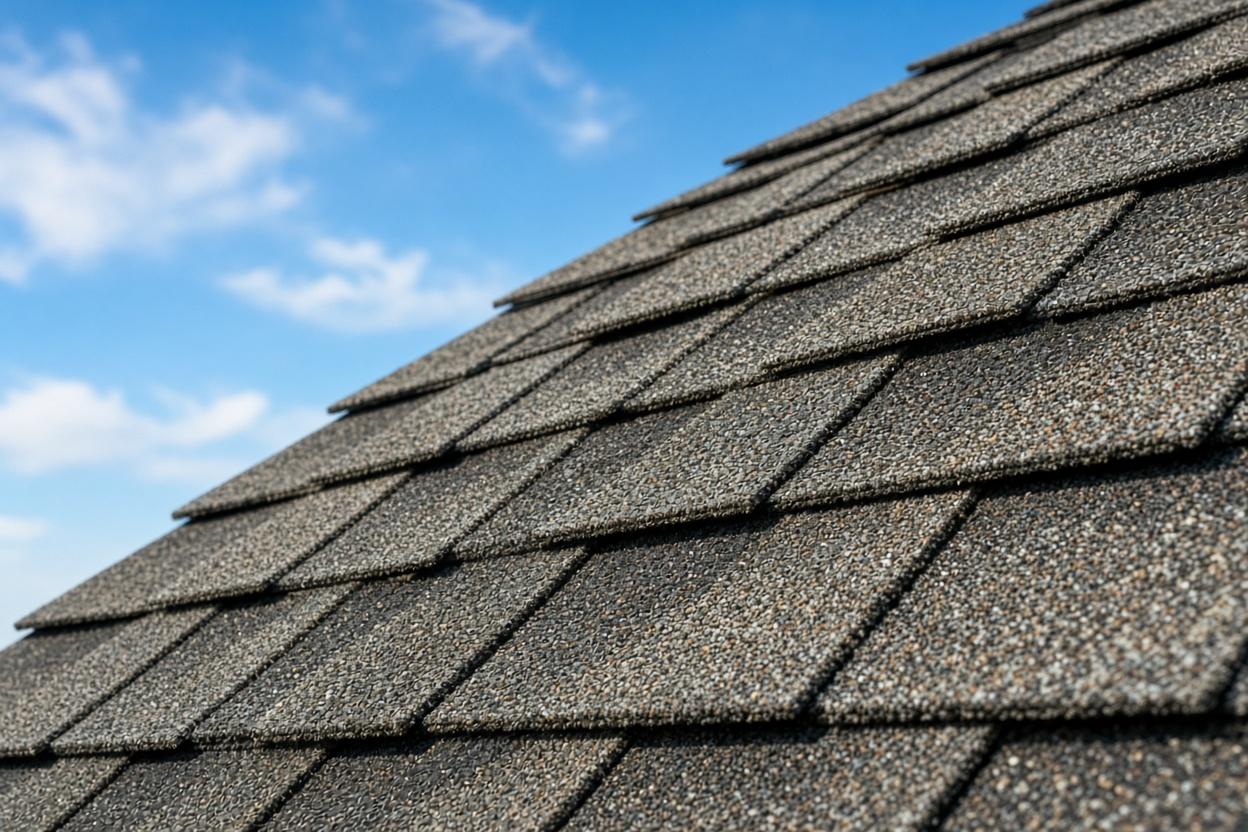
Is TPO or EPDM More Energy Efficient for DFW Homes?
Energy efficiency is where TPO pulls ahead — by a wide margin in North Texas.
- TPO: White membrane reflects up to 80% of solar radiation. ENERGY STAR® rated and qualifies for LEED points. Lowers cooling costs 15–30% in peak summer.
- EPDM: Black rubber absorbs heat. Can increase cooling load unless coated with a white acrylic top coating (added cost).
- DFW climate: With 100+ days over 90°F, the cooling savings from a white TPO roof add up fast — often offsetting the slightly higher install cost within 2–3 summers.
If energy efficiency is a priority for your Dallas flat roof, TPO is the better choice. Ways to make your roof more energy efficient start with the membrane color.
Call 214-466-1518.
Which Flat Roof Repairs Better — TPO or EPDM?
Repairability matters when a flat roof springs a leak:
- TPO: Small punctures get heat-welded patches — the same process as the initial seam. A good weld bonds at the molecular level, making the repair as strong as the original.
- EPDM: Patches use liquid adhesive or seam tape. Repairs hold well if the membrane is clean and dry, but the adhesive bond is weaker than a welded TPO patch.
- Seam failure: EPDM’s glued seams are its chronic weak point — they can lift over time, especially in DFW heat. TPO’s welded seams are the industry’s strongest seam.
- Cost: Both are repairable at similar cost for a standard patch ($300–$800 per leak depending on access). The difference shows up in long-term seam integrity.
For a flat roof that may need future repairs, TPO’s heat-welded patches offer more reliable, longer-lasting fixes. Commercial roof maintenance in Dallas programs catch small issues before they become big leaks.
Call 214-466-1518.
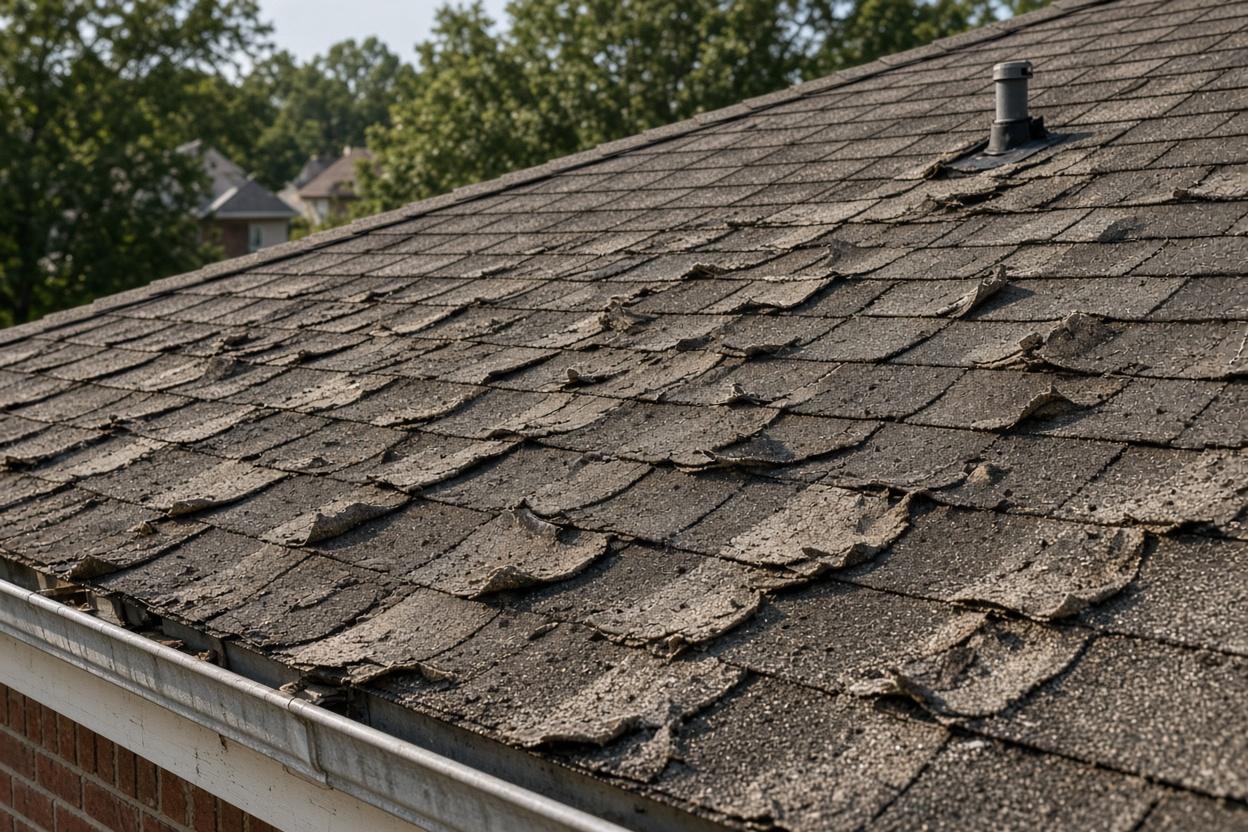
Can TPO or EPDM Handle Standing Water?
Flat roofs by design should drain, but ponding water happens — especially on older DFW buildings.
- TPO: Handles short-term ponding well. The heat-welded seams are watertight, and the reinforced membrane resists stretching under standing water weight.
- EPDM: More susceptible to ponding damage. Standing water accelerates seam tape breakdown and can cause the rubber to absorb moisture, leading to blistering and delamination.
- Rule of thumb: If your Dallas flat roof has chronic ponding (water standing 48+ hours after rain), neither membrane is ideal — fix the drainage first.
Both require positive drainage per code. But TPO gives more margin for the occasional slow drain. Flat roof ponding in Dallas is a common issue that should be addressed before re-roofing.
Call 214-466-1518.
How to Choose Between TPO and EPDM for Your Dallas Flat Roof
Here’s the decision framework StazOn uses for DFW flat roofs:
- Pick TPO if: energy efficiency matters, the roof is fully exposed to sun, you want the strongest seams, and you plan to own the building 10+ years.
- Pick EPDM if: budget is tighter, the roof is partially shaded or ballasted, you prefer a proven system with decades of track record, and you’re comfortable with routine seam inspections.
- Modified bitumen is a third option worth discussing for specific building types — ask us about it.
Not every flat roof needs premium TPO, and EPDM is far from obsolete. We install both and recommend based on your building, not our inventory. Flat roof systems in Dallas come in several options — we help you match the right one.
Call 214-466-1518.
Why Choose StazOn Roofing for Your Flat Roof?
StazOn Roofing has served Dallas since 1980. We’re a GAF GoldElite Commercial Contractor and GAF Master Elite contractor — top 2% of roofers nationwide.
- 45+ years in DFW — we know what works in Texas weather
- Full-spectrum service: residential, commercial, multi-family flat roofs
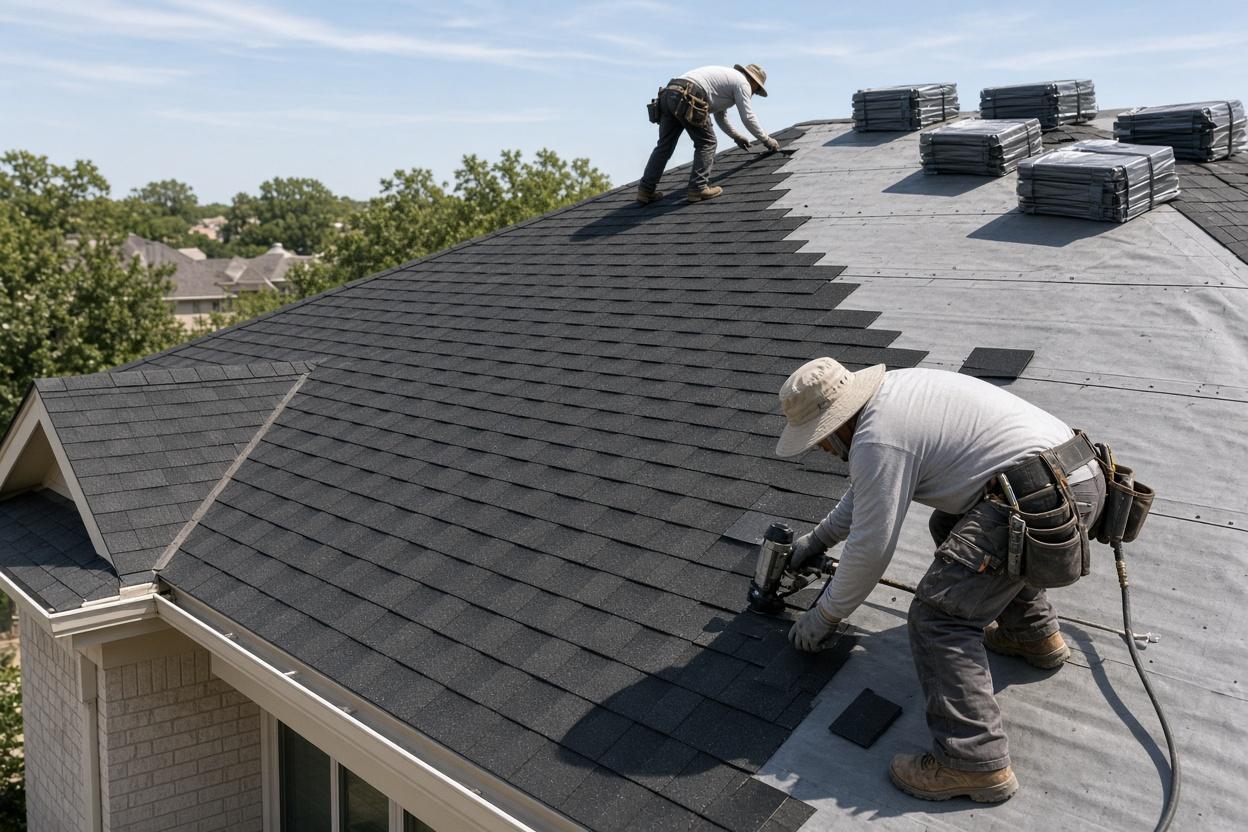
- Factory-trained installers — TPO and EPDM systems done right
- A+ BBB Accredited with thousands of completed projects
- FREE estimates — we’ll inspect your roof and recommend the right membrane
Call 214-466-1518.
Key Factors in Your Flat Roof Decision
Roof Slope and Drainage
TPO performs better on nearly-flat roofs (¼” per foot) where drainage is minimal. EPDM works best when slope is adequate and ponding isn’t a concern.
Building Use and Occupancy
A retail strip center with high energy costs benefits from TPO’s reflectivity. A warehouse with insulation above the deck may do fine with EPDM at lower upfront cost.
Local Contractor Experience
TPO requires experienced heat-welders. EPDM is more forgiving for less experienced crews. StazOn’s installers are factory-certified on both systems and we warranty our workmanship.
Warranty and Longevity Goals
GAF EverGuard TPO comes with up to 30-year manufacturer warranties. EPDM warranties typically run 15–25 years. Your ownership timeline matters.
Call 214-466-1518.
Schedule Your Flat Roof Assessment
Not sure whether TPO or EPDM is right for your Dallas flat roof? We’ll inspect your roof, discuss your goals, and recommend the best system with no obligation.
Call 214-466-1518 or request a free estimate online. We serve Dallas, Fort Worth, Plano, Frisco, Arlington, and all of DFW.
Flat Roof Comparison FAQ
What is the difference between TPO and EPDM roofing?
TPO is a heat-welded white thermoplastic membrane that reflects sunlight. EPDM is a black synthetic rubber membrane adhered with tape or glue. TPO runs cooler and has stronger seams; EPDM is less expensive and has a longer track record.
Which flat roof lasts longer — TPO or EPDM?
TPO lasts 20–30 years, EPDM lasts 25–35 years. In full-sun DFW exposure, TPO’s heat reflectivity gives it an edge — the white surface degrades slower than black rubber under Texas UV. Call 214-466-1518 for a roof evaluation.
Is TPO more energy efficient than EPDM?
Yes — TPO’s white surface reflects up to 80% of solar radiation, lowering cooling costs 15–30% in summer. EPDM absorbs heat and increases cooling load unless coated. For DFW’s hot climate, TPO is the energy-efficient choice.
Can TPO roofing be repaired?
Yes — TPO punctures and seam failures are repaired by heat-welding a patch over the damaged area. The weld bonds at the molecular level, making repairs as strong as the original membrane.
Which is cheaper — TPO or EPDM?
EPDM typically costs less to install because the material is cheaper and labor is faster (adhesive vs. heat-welding). But TPO’s energy savings often offset the higher upfront cost within 2–3 years in DFW.
How do I decide between TPO and EPDM for my Dallas flat roof?
Choose TPO for energy efficiency, strongest seams, and full-sun roofs you’ll own long-term. Choose EPDM for tighter budgets, shaded roofs, or buildings with adequate slope where ponding isn’t a concern. Call StazOn at 214-466-1518 for a free consultation.