
Flat Roof Systems Dallas Guide
What are the main types of flat roofing?
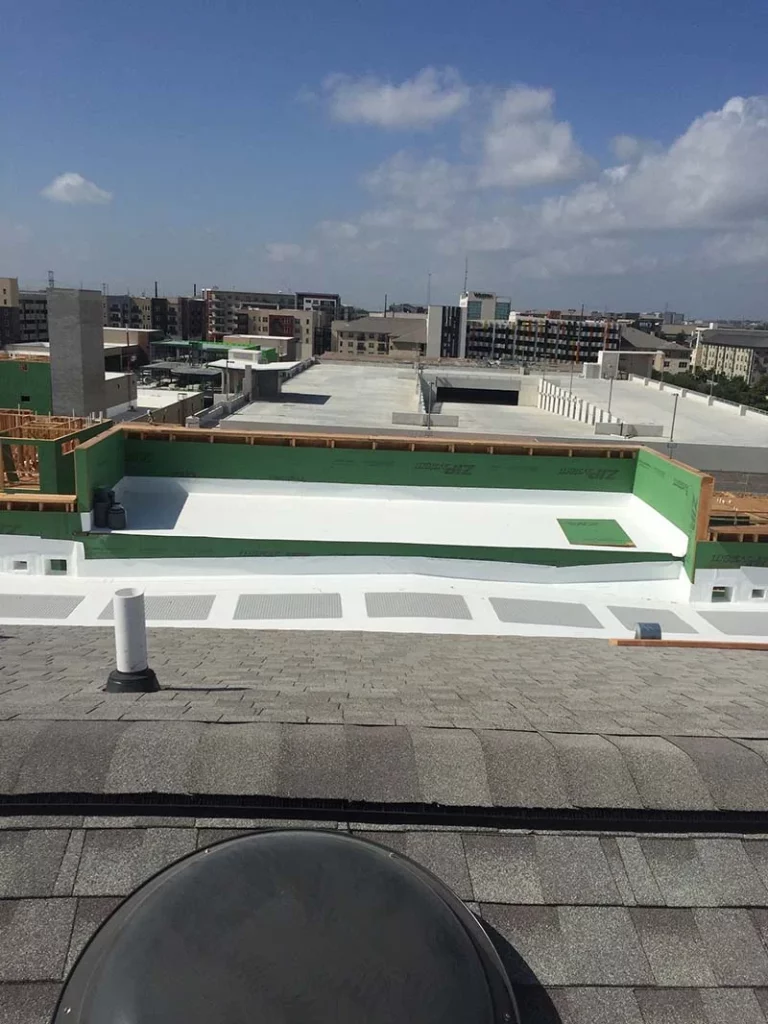
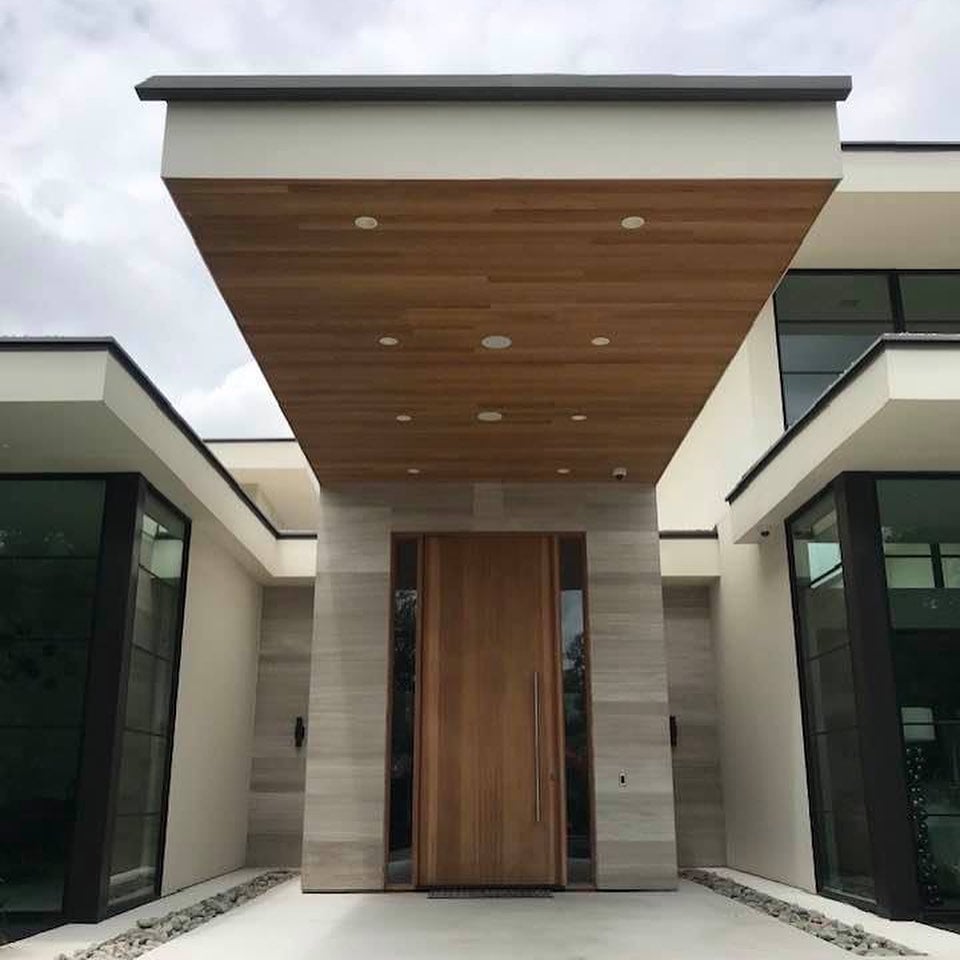
A flat roof is a smart, cost-effective flat roofing system for Dallas commercial buildings, apartment complexes, and modern homes, and membrane roofs like TPO and PVC handle the Texas sun extremely well. The key is picking the right membrane and installing it by a contractor who knows hot-climate systems.
Four flat roof systems dominate the Dallas market, and each has a different strength. TPO is a single-ply white membrane that reflects heat and is the most common affordable choice for commercial flat roofs. PVC is another single-ply membrane known for superior chemical resistance and strong seams. Modified bitumen is an asphalt-based system applied in layers, tough against ponding water. EPDM is a synthetic rubber membrane that has been around for decades.
For Texas heat, reflectivity matters, and light-colored TPO and PVC membranes reflect solar energy better than dark systems. We install and service all these across DFW, from single rooftops to large commercial roofing jobs.
Not sure which membrane fits your building? Read our take on the best flat roof material for Texas weather to narrow it down.
Call TODAY 214-466-1518.
How long does a flat roof last?
A well-installed flat membrane roof lasts about 15 to 25 years, which is longer than most people expect. The exact lifespan depends on the membrane, installation quality, and how much sun and standing water the roof sees.
TPO and PVC single-ply roofs commonly deliver 20 years or more in Texas when installed correctly. Modified bitumen runs closer to 15 to 20 years. EPDM can reach 20 to 30 years in mild climates, though DFW’s intense UV heat can shorten that.
The biggest factor by far is installation. A seam or flashing detail done wrong can cut a roof’s life in half. We have built and maintained flat roofs since 1980 across Dallas, Fort Worth, Plano, and Frisco, and we stand behind every system we put down.
Call TODAY 214-466-1518.
What causes flat roof leaks?
Flat roofs leak for a few predictable reasons, and most are fixable if caught fast. The most common culprits are damaged seams, failed flashing around edges and penetrations, and ponding water that sits on the roof too long.
Debris, pooling, and hail in spring can all damage a flat roof. Regular inspections catch these small problems before they become interior damage. If water is getting in now, our team handles flat roof repair and can cover a full roof replacement on your building.
Call TODAY 214-466-1518.
Damaged Seams
Seams are the weak point on single-ply membranes. A seam welded poorly or opened by age lets water find its way in.
Failed Flashing
Flashing around HVAC units, roof drains, and parapet walls is a frequent leak source.
Ponding Water
Standing water from clogged drains or low spots accelerates wear and eventually breaks through the membrane.
Storm & Hail Debris
Debris, pooling, and spring hail can all damage a flat roof and shorten its life.
Caught by Inspection
A twice-yearly inspection catches flat roof damage early before it reaches the interior.
TPO vs PVC: which flat roofing is better?
TPO and PVC are the two most popular single-ply flat roof membranes, and they perform differently in Texas. TPO is usually the more budget-friendly option, reflects heat well, and is the most installed single-ply system in North America today.
PVC costs a bit more but offers excellent chemical and grease resistance and extremely strong heat-welded seams. For buildings with restaurant HVAC grease or heavy chemical exposure, PVC is often the better long-term call.
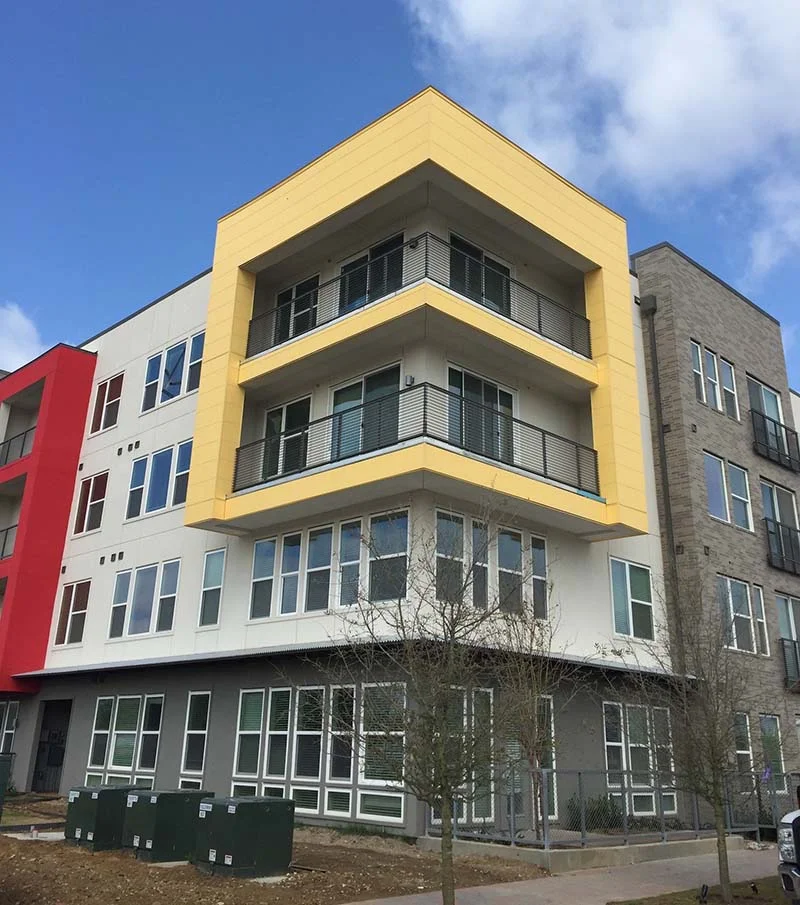
In most Dallas applications, both will serve you well for 20-plus years. The decision comes down to your building’s use, budget, and warranty goals. A GAF Master Commercial Roofing Contractor can walk you through both and recommend the right membrane across multi-family and commercial properties.
Call TODAY 214-466-1518.
What is the best flat roof material for Texas?
White TPO, Best All-Around
White TPO reflects heat, lowers roof surface temperature, and helps cut cooling load on hot DFW afternoons.
PVC for Chemical Load
Where chemical or grease resistance matters more, PVC is the strongest single-ply alternative.
Modified Bitumen Retrofits
Modified bitumen suits retrofit jobs with specific slope requirements and performs well with proper install.
Flat vs. Pitched Roof in Texas
Flat membrane runs $6 to $12 per square foot; pitched asphalt $4 to $7 and metal $9 to $18. A quality membrane lasts 15 to 25 years, while metal reaches 40 to 70. If you prefer a sloped system, a standing seam metal roof is another long-lived option. We are also a GAF Certified Green Roofer and help you pick an energy-smart system for your property and budget.
How do you prevent ponding water on a flat roof?
Ponding water is the number one flat roof killer, so managing it is the whole game in Dallas, where rain can arrive in heavy bursts. A properly installed flat roof is actually built with a slight slope so water runs to drains and scuppers instead of pooling.
Call TODAY 214-466-1518.
Verify the Slope
The roof must shed water to drains, not toward low spots that hold water after storms.
Keep Drains Clear
Leaves, debris, and gravel clog drains and create standing water after every storm.
Check for Low Spots
Low areas that hold water after 48 hours need correction, not just patching.
Inspect After Heavy Rain
Catch a ponding spot while it is visible and fix it before it wears through the membrane.
Flat Roof FAQ
Q: How much does a flat roof cost in Dallas?
A: Commercial flat roof membrane replacement typically runs $6 to $12 per square foot installed, depending on membrane type, existing layers, and roof complexity. TPO is usually the most budget-friendly single-ply option.
Call TODAY 214-466-1518.
Q: Can a flat roof be repaired instead of replaced?
A: Yes, when damage is localized. We can patch torn membranes, repair seams, and reseal flashing. Widespread blistering, delamination, or repeated leaks usually point to full replacement.
Call TODAY 214-466-1518.
Q: Is a flat roof good for a Texas home?
A: Modern homes and additions with flat roofs do well in DFW when the membrane is heat-reflective and properly sloped to drain. TPO or PVC are solid picks for residential flat sections.
Call TODAY 214-466-1518.
Q: Why does my flat roof keep leaking after repairs?
A: Repeated leaks often mean the problem is not the patch but the seam, flashing, or ponding water. A full inspection that checks drains and membrane condition finds the real source before more money is spent.
Call TODAY 214-466-1518.
Q: How often should a flat roof be inspected?
A: At least once a year, plus after any hail or severe wind storm. Spring hail in Texas is hard on membranes, so a post-storm check is strongly recommended.
Call TODAY 214-466-1518.