Commercial Roof Inspection Checklist — Protect Your Dallas Business Investment
Commercial Roof Inspection Checklist — Protect Your Dallas Business Investment
Why Commercial Roofs Need Regular Inspections
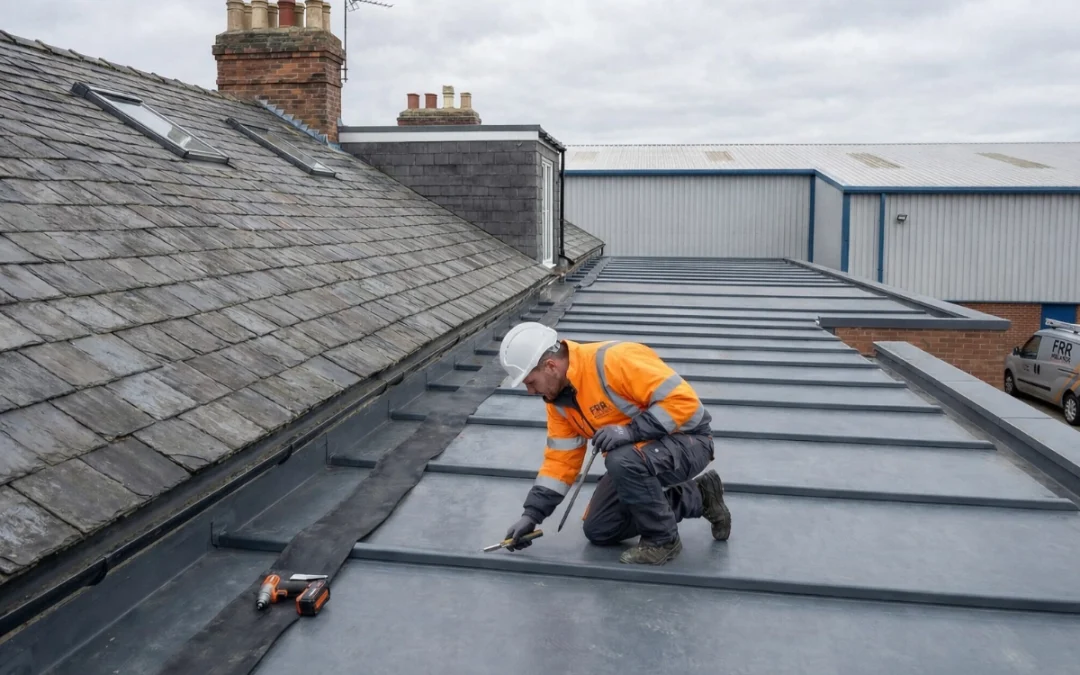
Commercial roofs are fundamentally different from residential roofs. They are typically flat or low-slope, use membrane systems (TPO, EPDM, modified bitumen), and carry HVAC equipment, exhaust fans, and plumbing vents that create dozens of roof penetrations — each one a potential leak point.
Unlike a residential pitched roof where water runs off immediately, commercial flat roofs hold water. Even with proper drainage, ponding water sits on the membrane and finds every weakness. A pinhole that would be invisible on a sloped roof becomes a persistent leak on a flat commercial roof.
The math is straightforward: a scheduled inspection and minor repair costs a fraction of emergency remediation. For Dallas commercial property owners, the hail and wind that roll through North Texas every spring make inspections non-negotiable.
For more on single-ply commercial membranes, see our TPO roofing guide.What a Professional Commercial Roof Inspection Covers
A StazOn Roofing commercial roof inspection is systematic and thorough. Here’s exactly what gets checked:
1. Membrane Condition Assessment
The roofing membrane — whether TPO, EPDM, PVC, or modified bitumen — gets a full surface inspection. Technicians look for:
- Punctures, cuts, or abrasions from foot traffic or debris
- Blistering or bubbling (indicates trapped moisture beneath the membrane)
- Seam separation — the most common failure point on TPO and PVC roofs
- UV degradation — chalking, cracking, or brittleness on exposed membrane surfaces
- Ponding water — any area where water stands for 48+ hours after rain
2. Flashing and Perimeter Details
Flashings are the transition points where the roof meets walls, curbs, or equipment. They handle the most thermal movement and see the most stress. Every linear foot of flashing is checked for:
- Separation from the wall or curb
- Cracking or splitting in the membrane at transition points
- Counter-flashing integrity (the metal cap that protects the top edge)
- Caulk and sealant condition — dried-out sealant is a leak waiting to happen
3. Drainage Systems
Dallas gets approximately 38 inches of rain annually, much of it in concentrated spring and fall storms. When drains clog, water ponds — and ponding water is the enemy of every flat roof. Inspection covers:
- Interior drains — cleared of debris, baskets intact, no standing water around drain bowls
- Scuppers and downspouts — clear of blockages, properly attached, no rust-through
- Gutters — cleaned, sloped correctly, no separation at seams
- Secondary/overflow drains — functional and unobstructed
4. Roof Penetrations
For standing seam: panels are roll-formed on-site or delivered pre-cut to length. Each panel locks into the next via the seam, which is mechanically seamed (crimped) for a watertight connection. Concealed clips attach panels to the deck — no exposed fasteners penetrate the weather surface.
For stone-coated steel and metal shingles: pieces are laid in courses like traditional roofing but secured with specific fastener patterns per manufacturer specifications. Interlocking edges create the weather barrier.
5. HVAC and Equipment Curbs
Rooftop HVAC units, exhaust fans, and other equipment sit on raised curbs. The curb-to-membrane connection is a high-stress area because equipment vibration works sealants loose over time. Inspection covers:
- Curb flashing integrity
- Equipment base and support condition
- Condensate drain lines — clear and properly routed to drains
- Any oil or refrigerant leaks that can damage the roof membrane
6. Edge Metal and Coping
The roof edge takes the most wind uplift. Coping metal (the cap on parapet walls) and edge metal are checked for:
- Secure attachment — loose edge metal can peel back in high winds, taking membrane with it
- Sealant at coping joints — water entering parapet walls freezes and causes structural damage
- Rust or corrosion — especially at fastener points
7. Interior Ceiling and Wall Check
The interior side of the inspection is often overlooked by contractors who never leave the roof. StazOn inspectors check the top-floor ceiling and walls for:
- Water stains or discoloration
- Peeling paint or bubbling drywall
- Musty odors indicating trapped moisture
- These signs help pinpoint roof issues that might not be visible from above
The Cost of Neglect vs. The Cost of Inspections
Consider a typical 15,000-square-foot commercial building in Dallas:
Scenario | 5-Year Cost |
No inspections, reactive repairs only | $28,000-$65,000 (emergency repairs + early replacement) |
Annual inspections + preventive maintenance | $6,000-$12,000 (inspections + minor repairs) |
The difference is an order of magnitude. Preventive maintenance extends a commercial roof’s service life by 5 to 10 years — pushing a $150,000 replacement 10 years into the future is worth far more than the inspection costs.
StazOn Roofing's Commercial Inspection Process
StazOn Roofing has been inspecting and maintaining Dallas commercial roofs since 1980. Our process is built on 45+ years of experience:
- Scheduling — Call 214-466-1518. We schedule at your convenience, including weekends for businesses that can’t close during the week.
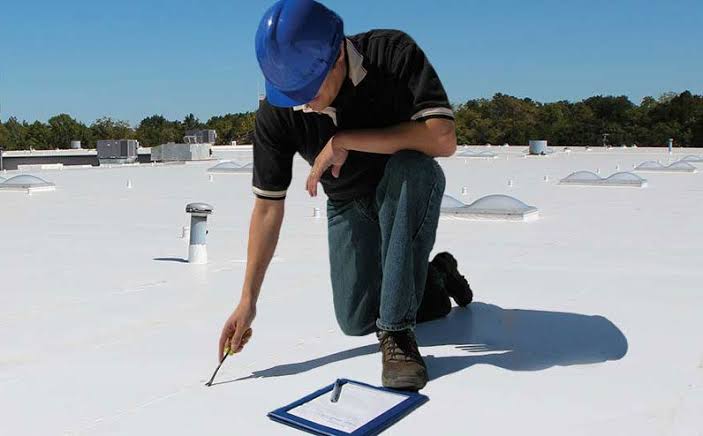
- On-Site Walk — A GAF Master Commercial certified inspector performs the full exterior and interior assessment described above.
- Photo Documentation — Every finding is photographed. You get clear evidence of what needs attention and what’s in good condition.
- Written Report — A detailed report with findings, severity ratings, recommended repairs with cost estimates, and a prioritized action plan.
- No-Obligation Quote — If repairs are needed, you get a firm quote. No pressure, no scare tactics — just clear information.
GAF Master Commercial Certification — Why It Matters
StazOn Roofing holds GAF Master Commercial Roofing Contractor certification. This is separate from the residential Master Elite certification and requires:
- Commercial-specific factory training
- Proven experience with commercial membrane systems (TPO, EPDM, PVC, modified bitumen)
- Full insurance coverage — general liability, workers’ compensation, and commercial auto
- Ongoing continuing education on new commercial roofing technologies
Only a small fraction of Dallas roofing contractors carry both Master Elite (residential) and Master Commercial certifications. This dual certification means StazOn can handle every roof on every property you own — from the single-family rentals to the 50,000-square-foot commercial building.
Texas-Specific Inspection Timing
Dallas weather drives a specific inspection calendar:
Spring (April-May) — Post-Hail-Season Inspection
North Texas hail season runs March through May. After the last major spring storm system passes, a thorough inspection identifies any hail or wind damage while it’s still fresh. Insurance claims have time limits — catching damage within 30-60 days makes the claims process smoother.
Fall (October-November) — Pre-Winter Inspection
Before winter freeze-thaw cycles begin, a fall inspection catches any issues that developed over the summer. Dallas summer heat expands roofing materials; winter cold contracts them. That annual cycle loosens flashings and opens seam gaps. Fall is the time to seal and secure everything before the temperature swings start.
After Major Storms — Ad-Hoc Inspections
Any storm with hail over 1 inch in diameter or winds exceeding 60 mph warrants an inspection, even if there’s no visible interior damage. Membrane damage from hail can be subtle — small fractures that don’t leak immediately but worsen with every rain.
Schedule Your Dallas Commercial Roof Inspection
Don’t wait for a leak to tell you something is wrong. Call the experts at StazOn Roofing Dallas today — family owned and operated since 1980, GAF Master Commercial certified, and A+ BBB accredited.
Call TODAY 214-466-1518 for your FREE estimate and inspection scheduling.
FAQ
Q: How often should a commercial roof be inspected in Dallas?
A: Twice per year minimum — once in spring after hail season (April-May) and once in fall before winter (October-November). Additional inspections are recommended after any major storm with hail over 1 inch or winds exceeding 60 mph. Some commercial insurance policies require annual professional inspections to maintain coverage.
Q: Is metal roofing loud during rain or hail?
A: No — this is one of the most persistent myths about metal roofing. When installed over a solid deck with proper underlayment and attic insulation, a metal roof is no louder than asphalt shingles during rain. The solid sheathing and insulation layers dampen sound transmission. Hail impact noise is similar to any other roofing material when installed correctly.
Q: What does a commercial roof inspection cost in DFW?
A: $350 to $900 depending on roof size, accessibility, and complexity. Large warehouse roofs or roofs with heavy equipment loads cost more to inspect thoroughly. StazOn Roofing provides a firm quote before the inspection. For properties on a maintenance program, inspections are often bundled at a reduced rate.
Q: How long does a commercial roof inspection take?
A: A thorough inspection of an average 20,000-square-foot commercial roof takes 2 to 4 hours, including the interior ceiling check and photo documentation. Larger facilities or complex roof configurations with multiple levels and equipment zones may take a full day.
Q: What's the most common problem found during commercial roof inspections in Texas?
A: Failed sealant and flashing at penetrations — specifically dried-out pipe boots and separated curb flashing. Texas heat accelerates sealant breakdown. These are typically inexpensive to fix when caught early ($200-$500 per penetration) but cause thousands in interior water damage if left unaddressed.
Q: Do I need a commercial roof inspection for insurance purposes?
A: Many commercial property insurance carriers in Texas now require or strongly incentivize documented annual roof inspections. A professional inspection report from a GAF Master Commercial certified contractor demonstrates due diligence and can support your position in a claim situation. Check your policy — some offer premium discounts for documented preventive maintenance programs.