When Should You File a Roof Insurance Claim?
Not every roof issue warrants an insurance claim. Knowing when to file — and when not to — can save you thousands in premiums and headaches down the road.
File a claim when your roof has suffered sudden, accidental damage from a covered event. In Dallas, the most common triggers are hailstorms, wind damage from severe thunderstorms or tornadoes, and falling tree limbs. If your roof was in good condition before the storm and now shows clear damage, you likely have a valid claim.
Don’t file a claim for normal wear and tear. Insurance doesn’t cover roofs that have simply aged out. If your 25-year-old roof is leaking because shingles are worn and brittle, that’s a maintenance issue — not an insurance event. Filing a claim that gets denied can still count against your claims history.
Step 1: Document Everything Immediately
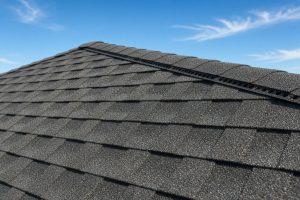
The moment you suspect storm damage, start documenting. Take clear photos and videos from the ground showing the overall roof condition. Capture close-ups of any visible damage — dented shingles, missing tabs, debris on the roof. Photograph hail dents on gutters, downspouts, window screens, and siding. These peripheral damage signs help prove a storm event occurred.
Date-stamp everything. Most smartphones record metadata automatically, but it’s worth jotting down the date and time of the storm in your notes. If your neighbors are filing claims, that strengthens your case — insurance companies cross-reference claims in the same ZIP code after major storms.
Step 2: Get a Professional Roof Inspection
Before you call your insurance company, have a professional roofing contractor inspect your roof. This step is critical. An experienced roofer can identify damage you can’t see from the ground and provide a detailed inspection report that becomes the foundation of your claim.
StazOn Roofing has been inspecting storm-damaged roofs in Dallas since 1980. We’re GAF Master Elite certified — top 2% nationally — and we know exactly what insurance adjusters look for. Our inspection report includes photographs, measurements, and a clear assessment of what needs repair or replacement. We document everything the adjuster will want to see.
FREE inspection. No obligation. Call 214-466-1518 to schedule.
Step 3: Review Your Policy
Before filing, understand what your policy covers. Most Texas homeowners policies are either Actual Cash Value (ACV) or Replacement Cost Value (RCV). ACV policies deduct depreciation — meaning if your roof is 15 years old, you’ll only get a fraction of replacement cost. RCV policies pay the full cost to replace minus your deductible.
Check your deductible amount. In Texas, many policies now carry a separate wind/hail deductible — often 1% to 2% of your dwelling coverage. On a $300,000 home, that’s $3,000 to $6,000 out of pocket before insurance pays a dime. Know this number before you file.
Also note: some insurers have introduced cosmetic damage exclusions for metal roofing, or separate deductibles for named storms. Read the fine print.
Step 4: File the Claim
Contact your insurance company’s claims department — most have 24/7 hotlines. Provide the date of loss, a description of damage, and your policy number. The insurer will assign a claim number and schedule an adjuster visit.
Be factual, not speculative. Say ‘Hailstorm on June 15 caused visible dents on shingles and gutters’ rather than ‘I think my whole roof needs to be replaced.’ Let the evidence — and your contractor’s report — make the case.
Step 5: Meet the Adjuster — With Your Contractor Present
This is where having a professional roofer in your corner pays off. When the insurance adjuster arrives, your contractor should be there to walk the roof with them, point out damage, and ensure nothing gets overlooked.
StazOn Roofing meets with your adjuster at no extra cost. We speak their language. We know roofing codes in Dallas, Fort Worth, Plano, and across the metroplex. If the adjuster’s initial estimate is too low, we provide a supplemental claim with documentation to support the correct scope of work. Many homeowners accept the first offer — don’t. Let us advocate for you.
Step 6: Settlement and Repairs
Once your claim is approved, you’ll receive a settlement — typically an initial check for the ACV, with the recoverable depreciation released after work is complete. Choose a contractor you trust. The lowest bid isn’t always the best value — especially when insurance is paying.
StazOn Roofing handles the entire process: full replacement using GAF materials backed by the Golden Pledge warranty (50 years materials, 25 years workmanship), all permits pulled, code compliance ensured, and a final inspection to make sure everything is perfect.
What Insurance Won't Cover
Insurance covers sudden, accidental damage — not maintenance. Your policy typically won’t cover: leaks from neglected maintenance, gradual deterioration, animal damage, mold or rot from long-term moisture, or improper installation by a previous contractor. If your roof is over 20 years old, some insurers may only offer ACV coverage or exclude the roof entirely.
Why Choose StazOn Roofing for Your Insurance Claim?
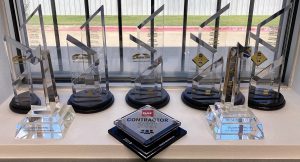
Since 1980, StazOn Roofing has helped thousands of Dallas homeowners navigate the insurance claims process. We’re family owned and operated, not a franchise. We don’t chase storms — we’ve been here for 45+ years. GAF Master Elite certified (top 2% nationally), A+ BBB rating, members of NRCA, NTRCA, and RCAT.
We’ll be here long after the claim is settled. Call TODAY for your FREE inspection: 214-466-1518.