Metal roofing has come a long way from the corrugated tin barns you might picture. Today’s metal roofing systems are some of the most durable, energy-efficient, and attractive options available — and they’re becoming an increasingly common sight across Dallas-Fort Worth neighborhoods. But is metal roofing right for your Texas home?
At StazOn Roofing, we’ve been installing roofing systems across DFW since 1980. Over 45 years, we’ve watched roofing materials come and go, but few have impressed us the way modern metal roofing has. As a GAF Master Elite Contractor (top 2% nationally), we know what quality looks like — and metal roofing delivers.
Let’s break down everything Dallas homeowners need to know before making the switch.
Types of Metal Roofing Available for Dallas Homes
Not all metal roofs are the same. Here are the three main types you’ll encounter:
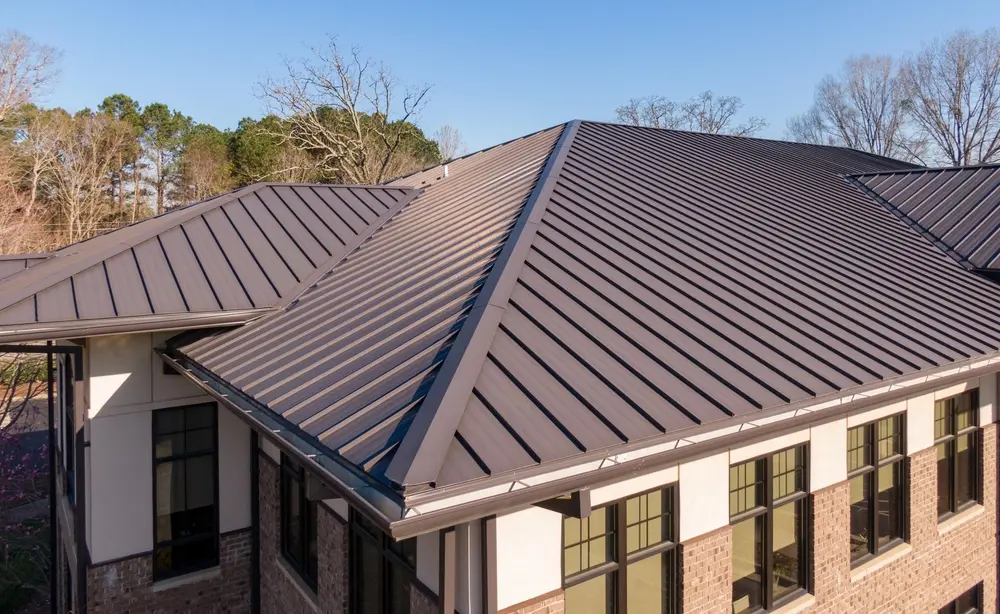
Standing Seam Metal Roofing This is the premium choice. Standing seam panels feature concealed fasteners and raised vertical ribs (the “standing seams”) that run from ridge to eave. The concealed fastener system means there are no exposed screw holes for water to find its way through. Standing seam roofs offer the sleekest, most modern look, and they’re what we recommend for most Dallas homeowners looking for the full benefits of metal roofing.
Corrugated Metal Panels The classic wavy profile you see on barns and agricultural buildings. Corrugated panels use exposed fasteners that screw through the panel face into the roof deck. They’re the most affordable metal roofing option but come with trade-offs: exposed fasteners require periodic maintenance, and the lifespan is shorter than standing seam. For residential use in DFW, corrugated metal is more common on outbuildings than main homes — though some homeowners choose it for a rustic aesthetic.
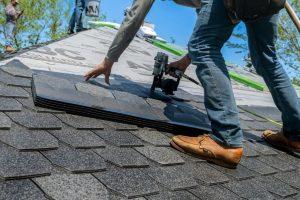
Metal Shingles and Tiles If you love the look of traditional shingles, slate, or clay tile but want the durability of metal, metal shingles are worth a look. These are stamped and coated metal pieces designed to mimic other roofing materials. They install similarly to traditional shingles and offer a middle ground between asphalt aesthetics and metal longevity. Brands like DECRA and EDCO produce high-quality metal shingle systems.
The Pros: Why Dallas Homeowners Are Choosing Metal Roofs
- Longevity: A 40-70 Year Roof In Texas, an asphalt shingle roof lasts 15-20 years if you’re lucky — often less with our hail storms and intense sun. A properly installed standing seam metal roof lasts 40 to 70 years. That’s two to three times the lifespan. When you factor in the likelihood that this is the last roof you’ll ever buy for that home, the math starts to make serious sense.
- Energy Efficiency: A Real Difference in Texas Summers Metal roofs reflect a significant portion of solar radiation rather than absorbing it. This is called solar reflectance, and it’s measured by the Solar Reflectance Index (SRI). A high-quality metal roof with a reflective coating can reduce attic temperatures by 15-25°F during a Texas summer. That translates directly to lower air conditioning bills — by some estimates, 10-25% cooling cost savings. In Dallas, where we run AC for six-plus months a year, those savings compound fast.
- Fire Resistance: Peace of Mind Metal roofing carries a Class A fire rating — the highest available. In areas of Texas prone to wildfires or where homes are close together, this is a meaningful safety feature. Metal won’t ignite from wind-blown embers, and it meets the strictest building codes for fire-prone zones.
- Wind Resistance: Built for Texas Wind Texas sees severe thunderstorms, straight-line winds, and the occasional tornado. Standing seam metal roofing, when properly installed, is rated for wind speeds up to 140 mph and beyond — equivalent to a Category 4 hurricane. The interlocking panel system transfers wind loads across the entire roof surface rather than concentrating stress on individual fasteners.
- Hail Resistance Options This is the big one for DFW. Metal roofing doesn’t crack, split, or break like asphalt shingles do when hail hits. While metal can dent from extremely large hail (golf ball size or larger), Class 4 impact-rated metal roofing products are available. A Class 4 rating is the highest impact-resistance classification and often qualifies for insurance premium discounts. We’ll discuss hail in more detail below.
- Low Maintenance Once installed, metal roofing requires very little attention. No granule loss, no curling shingles, no moss growth. The occasional rinse with a garden hose and an annual visual inspection is about all you need.
- Environmentally Friendly Metal roofs are often made from 25-95% recycled content, and they’re 100% recyclable at the end of their service life. Compare that to asphalt shingles, which generate millions of tons of landfill waste annually. If sustainability matters to you, metal roofing is the clear winner.
The Cons: What You Need to Know
- Higher Upfront Cost There’s no getting around it: metal roofing costs more upfront. In DFW, a standing seam metal roof typically runs two to three times the cost of a standard architectural asphalt shingle roof. For a typical 2,000-square-foot home, you might pay $20,000-$35,000 for standing seam versus $8,000-$14,000 for premium asphalt shingles.
However, when you consider the lifespan difference, metal can be cost-competitive — or even cheaper — over the long haul. You’ll replace asphalt shingles two or even three times in the lifespan of one metal roof. And those energy savings accrue year after year.
- Noise The classic metal-roof complaint is noise during rain or hail. Modern metal roofing, properly installed over a solid deck with quality underlayment and attic insulation, is significantly quieter than the old corrugated barn roofs people picture. That said, it is louder than asphalt during heavy storms. Most homeowners acclimate quickly and don’t find it bothersome, but it’s worth being realistic about.
- Thermal Expansion and Contraction Metal expands and contracts with temperature changes. In Texas, where a roof surface can swing from 30°F in the morning to 120°F by afternoon in the shoulder seasons, this movement is real. A properly engineered metal roofing system with sliding clips and expansion joints accounts for this movement. An improperly installed system? Fasteners can loosen, panels can warp, and leaks can develop. This is why installation quality is non-negotiable with metal roofing — it is not a DIY-friendly material, and not every roofer has the training to do it right.
- Denting from Severe Hail As noted above, Class 4 impact-rated products mitigate this risk, but metal can dent. For homeowners in the heart of DFW hail alley, this is a legitimate concern. That said, a dent doesn’t compromise the waterproof integrity of a standing seam roof the way a broken shingle compromises an asphalt roof. A dented metal roof still sheds water; a hail-broken asphalt roof leaks.
- Color Matching for Repairs If a panel needs replacement 15 years down the line, matching the exact color can be challenging due to weathering and dye-lot variations. This is more of an aesthetic concern than a functional one, but it’s worth knowing.
Texas-Specific Benefits of Metal Roofing
Beating the Texas Heat Dallas averages over 230 sunny days per year, and summer temperatures routinely top 100°F. The reflective properties of metal roofing aren’t a nice-to-have here — they’re a significant financial advantage. Cool-metal roofing with specialized reflective pigments can achieve solar reflectance values that dramatically reduce heat gain. The Department of Energy recognizes metal roofing as an effective strategy for reducing cooling loads in hot climates.
Hail Season Resilience DFW sits in one of the most hail-prone regions in the United States. April through June is peak hail season, but we’ve seen significant hail events as late as October. Metal roofing, particularly Class 4 impact-rated standing seam, offers the best hail resilience available outside of truly premium materials like slate or tile. Even when dents occur, the roof remains watertight — the same can’t be said for asphalt shingles after a hailstorm.
Wind Resistance for Storm Season Texas spring storm season brings severe straight-line winds, derechos, and the occasional tornado. Metal roofing’s interlocking design distributes wind loads effectively, and properly installed standing seam panels resist uplift far better than individual shingles. If you live in an area where high winds are common, metal roofing provides meaningful peace of mind.
Insurance Considerations Many Texas insurance carriers offer premium discounts for Class 4 impact-rated roofing. In a state where homeowners insurance rates have risen sharply due to weather-related claims, this discount can add up. Some carriers reduce premiums by 5-20% for homes with impact-resistant roofing. Ask your agent — and let StazOn help you navigate the documentation requirements.
Metal Roofing vs. Asphalt Shingles: Cost Comparison
Let’s talk real numbers for the DFW market:
Factor | Asphalt Shingles (Architectural) | Standing Seam Metal |
Installed cost per square (100 sq ft) | $350-$550 | $900-$1,500 |
Lifespan | 15-20 years | 40-70 years |
Annualized cost (per year) | $400-$733 | $257-$750 |
Energy savings | Minimal | 10-25% cooling savings |
Hail resistance | Class 3 typical, Class 4 available | Class 4 available |
Wind rating | 60-130 mph depending on installation | 140+ mph |
Maintenance | Moderate (granule loss, curling) | Low |
Resale value impact | Neutral to slight positive | Positive (premium material) |
The annualized cost calculation flips the narrative: over a 40-year period, standing seam metal can actually cost less per year than asphalt shingles when you factor in energy savings and avoided replacements. The key question is whether you plan to stay in the home long enough to realize those savings. If you’re in your forever home, metal roofing makes compelling financial sense.
StazOn Roofing’s Metal Roofing Expertise
Since 1980, StazOn Roofing has been installing and servicing roofing systems throughout Dallas, Fort Worth, Plano, Frisco, Arlington, and the broader DFW metroplex. We bring 45+ years of experience and a GAF Master Elite Contractor certification — a designation held by only the top 2% of roofing contractors nationally — to every metal roofing project we take on.
When you work with StazOn for your metal roof:
- You get a comprehensive assessment of your home’s suitability for metal roofing
- We handle underlayment, ventilation, and flashing integration properly — these details make or break a metal roof
- We use manufacturer-certified installation methods and materials
- Our work is backed by both manufacturer warranties and our own workmanship guarantee
- You’re working with a family-owned, A+ BBB-accredited company that will still be here decades from now
Is Metal Roofing Right for Your Dallas Home?
Metal roofing isn’t for every home or budget, but for many DFW homeowners, the long-term math works out strongly in its favor. It’s ideal if:
- You plan to stay in your home for 10+ years
- You want a roof you won’t have to replace again
- Energy efficiency and cooling-cost reduction are priorities
- You’re tired of hail damage claims and asphalt shingle replacements
- You value low maintenance and long-term durability
If you’re curious about what metal roofing would cost for your specific home, the best step is a professional assessment. Roof pitch, complexity, existing tear-off requirements, and material selection all affect pricing, and an estimate is the only way to get an accurate number.
Call StazOn Roofing TODAY at 214-466-1518 for a FREE estimate on metal roofing for your Dallas-Fort Worth home. Family owned and operated since 1980 — and we’ll be here when you need us.
FAQ
Q: How long does a metal roof last in Texas?
A: A properly installed standing seam metal roof lasts 40-70 years in the Texas climate. Corrugated metal with exposed fasteners typically lasts 30-40 years. This compares to 15-20 years for asphalt shingles. Metal roofing’s longevity is one of its strongest selling points, especially given DFW’s extreme weather conditions.
Q: Is metal roofing more expensive than asphalt shingles?
A: Yes, upfront. Metal roofing typically costs two to three times as much as architectural asphalt shingles for installation. However, when you calculate cost over the roof’s lifespan — factoring in energy savings, avoided reroofs, and potential insurance discounts — metal can actually be the more economical choice. The break-even point is typically in the 20-25 year range.
Q: Does metal roofing make your house hotter in the summer?
A: No — the opposite. Metal roofing reflects solar radiation rather than absorbing it, which can reduce attic temperatures by 15-25°F. This means your air conditioning works less, and your home stays cooler. Specialized “cool metal” roofing with reflective pigment coatings can further enhance this effect.
Q: Can metal roofing withstand Texas hailstorms?
A: Metal roofing can dent from very large hail, but it won’t crack, split, or lose waterproof integrity the way asphalt shingles do. Class 4 impact-rated metal roofing products provide the highest level of hail resistance available and may qualify you for insurance premium discounts.
Q: Is metal roofing noisy when it rains?
A: Modern metal roofing installed over a solid roof deck with proper underlayment and attic insulation is significantly quieter than people expect. It is somewhat louder than asphalt during heavy rain, but most homeowners don’t find it disruptive. The “barn roof” noise levels people imagine are largely a thing of the past with modern installation methods.
Q: Do I need a special contractor to install a metal roof?
A: Yes. Metal roofing installation requires specialized training and experience that not every roofing contractor has. Improper installation can lead to leaks from thermal expansion, fastener issues, and panel distortion. Choose a contractor with demonstrated metal roofing experience. StazOn Roofing has been installing residential and commercial metal roofing systems across DFW since 1980.