
Hail Damage and Your Roof: What Dallas Homeowners Need to Know
If you live in Dallas–Fort Worth, hail isn’t a question of if — it’s a question of when and how bad. DFW consistently ranks among the top metro areas in the country for hail frequency and severity. Between March and June, major hailstorms roll through the region like clockwork.
And here’s the problem: hail damage to a roof often isn’t visible from the ground. Your roof can sustain thousands of impact points, lose years of protective granule coating, and start a slow decline toward failure — all while looking perfectly fine from your driveway.
This is why entire neighborhoods get new roofs at the same time. It’s not a coincidence. It’s physics.
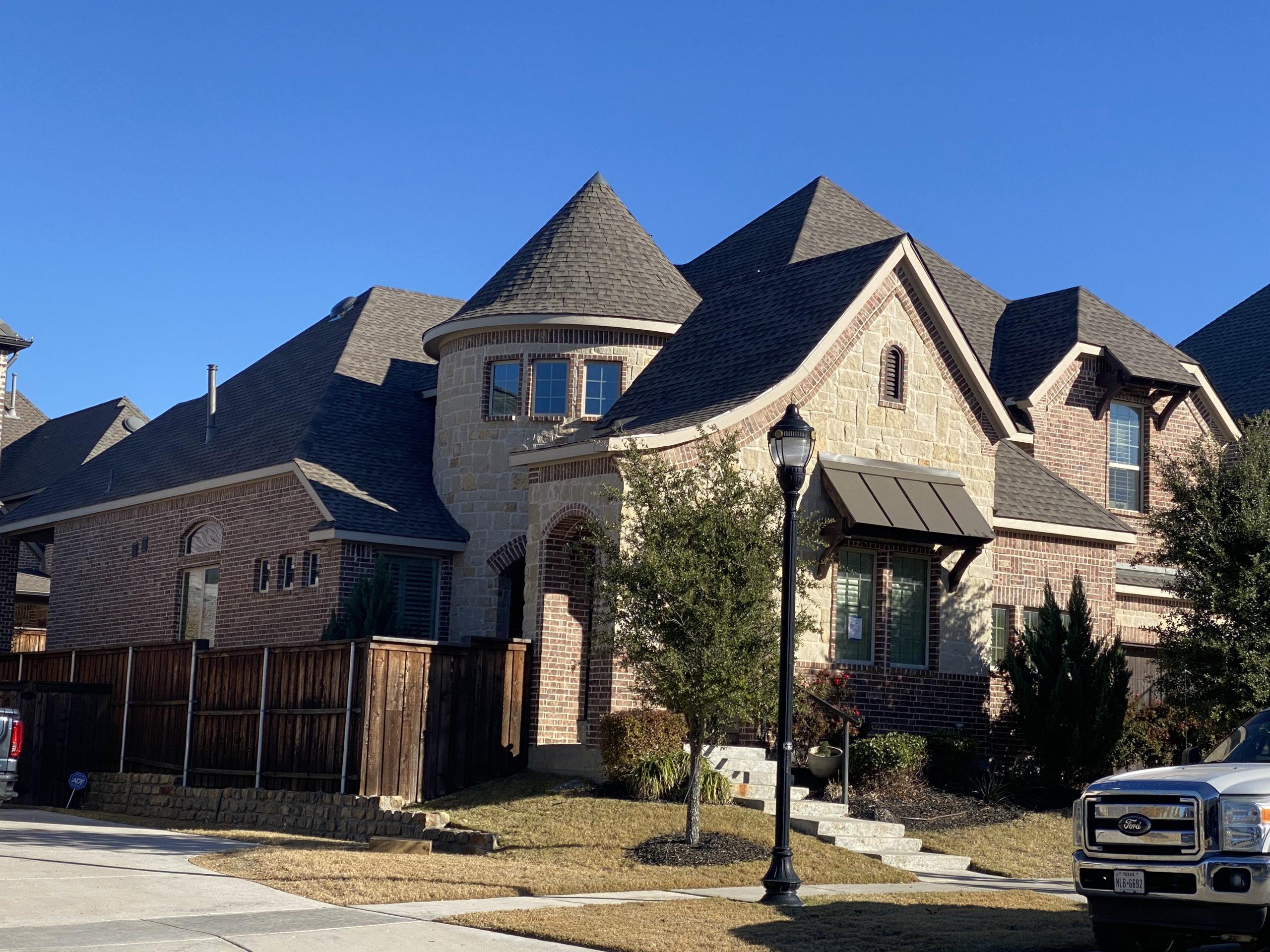
How Hail Damages a Roof
Hail doesn’t just bounce off shingles and disappear. Even small hailstones (¾ inch to 1 inch) can cause meaningful damage to asphalt roofing materials. Here’s what’s actually happening on impact:
Granule Displacement: The most common hail damage. Each impact knocks ceramic granules off the shingle surface, exposing the asphalt underneath. One impact is nothing. Thousands of impacts across your entire roof — which is what a hailstorm delivers — create widespread vulnerability.
Without granules, exposed asphalt deteriorates rapidly under UV radiation. A roof that had 15 years of life left before a storm may have 5–7 years afterward.
Bruising: Hail can compress and fracture the fiberglass mat inside the shingle without breaking the surface. This is called “bruising.” It weakens the shingle’s structural integrity and makes it more susceptible to wind uplift, cracking, and water penetration over time.
Why this matters: Bruising is invisible from the ground and often missed by untrained inspectors. It requires a hands-on roof inspection to detect — pressing on the shingle surface to feel for soft spots.
Cracking and Fracturing: Larger hailstones (1.5 inches and up) can crack shingles outright, creating immediate pathways for water infiltration. In severe storms, you may see pieces of shingle in your yard or on the ground.
Flashing and Vent Damage: Hail doesn’t just hit shingles. It damages metal flashing, dents vent caps, cracks pipe boots, and can compromise ridge vents. These components are often overlooked during a quick visual inspection but can become active leak points.
The Neighbor Effect
When you see roofing crews working on multiple houses on your street, it’s not a sales tactic — it’s a pattern.
Why it happens:
- Homes in the same neighborhood were built at the same time with the same materials
- They experienced the same storms with the same hail sizes and wind direction
- If one roof was damaged, the others almost certainly were too
The smart move: If your neighbors are getting new roofs after a storm, schedule your own inspection immediately. You likely have the same damage — and insurance claim windows don’t stay open forever.
The risk of waiting: Texas homeowner insurance policies typically require claims to be filed within 1–2 years of the storm event (varies by policy). Wait too long, and you lose coverage for damage that was completely claimable.
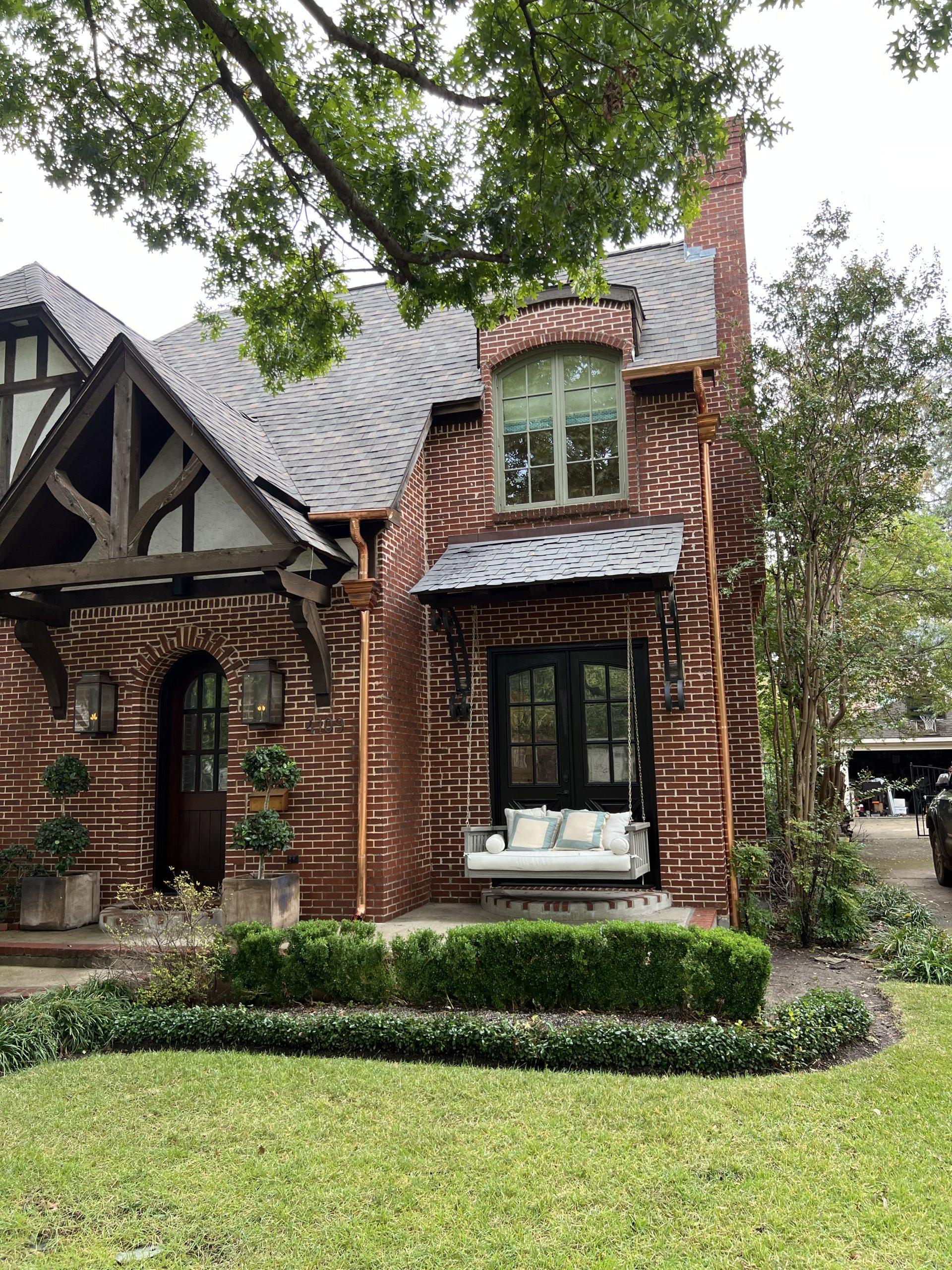
How to Check for Hail Damage
- Gutters: Heavy granule accumulation after storms = hail impact
- Downspouts: Check the splash area for granule buildup
- Dents on soft metals: Look at aluminum gutters, window frames, AC units, and car hoods. If these are dented, your roof took the same hit.
- Fence tops and deck rails: Dents or paint chips on horizontal surfaces indicate hail size and severity
- Granule displacement patterns (circular, random impact marks)
- Shingle bruising (soft spots when pressed)
- Cracked or fractured shingles
- Damaged flashing, vent caps, and pipe boots
- Impact marks on hip and ridge caps
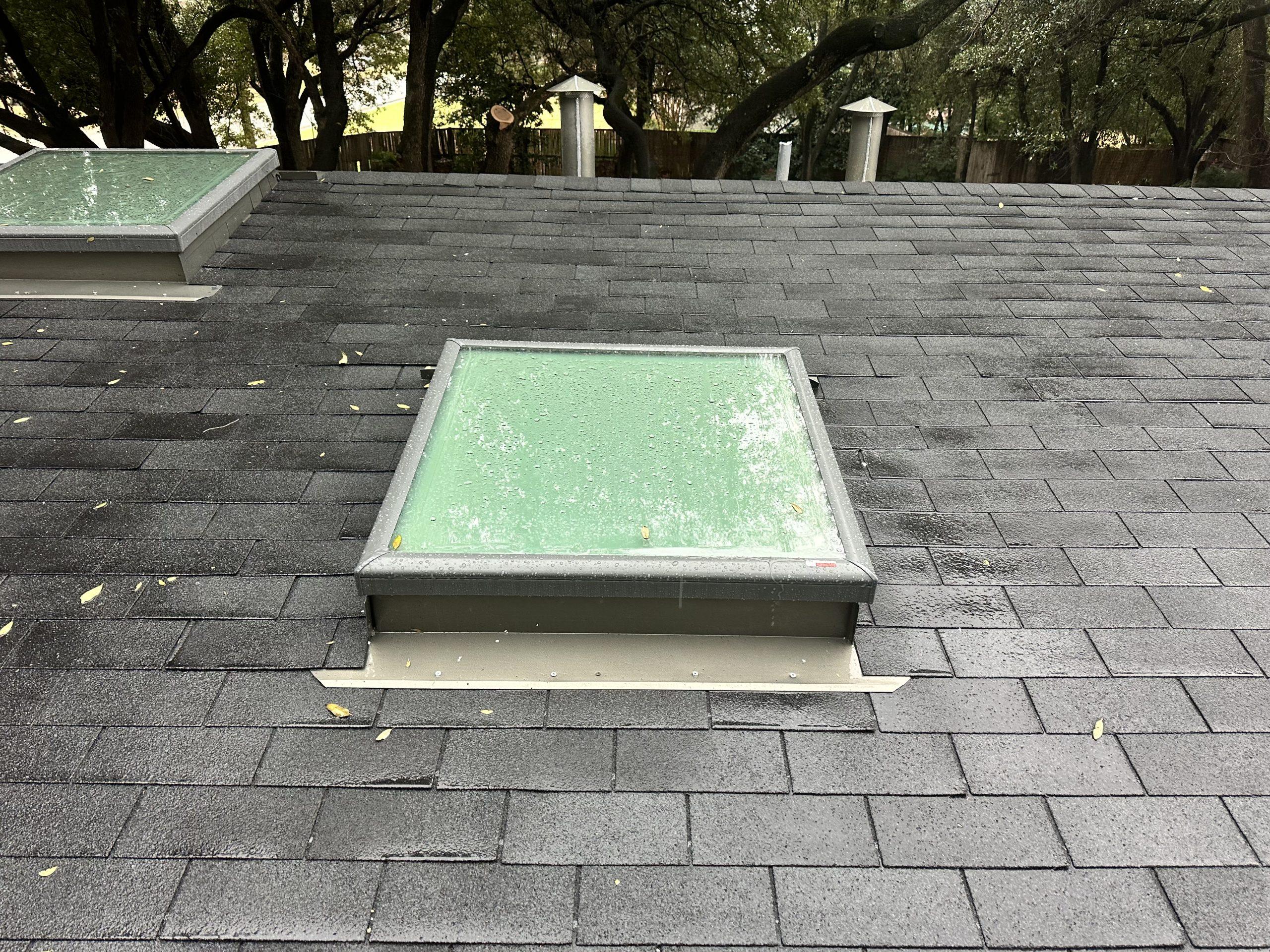
Insurance and Hail Claims in Texas
Hail damage is the #1 reason roofs get replaced through insurance in DFW. Here’s how the process works:
Step 1: Get a Professional Inspection
Have a qualified roofer inspect your roof and document the damage with photos and a written report. This happens before you file a claim — you want to know what you’re dealing with.
Step 2: File the Claim
Contact your homeowner’s insurance company and report the damage. They’ll assign an adjuster to inspect the roof.
Step 3: The Adjuster Visit
The insurance adjuster will perform their own inspection. Having your roofer present during this inspection (called a “meet and greet”) is standard practice in DFW and helps ensure nothing is missed.
Step 4: Approval and Scope
If the claim is approved, the insurance company will issue a scope of work and a payment (minus your deductible). This typically covers full replacement if the damage warrants it.
Step 5: Choose Your Contractor
You choose your contractor — the insurance company does not choose for you. Select a licensed, insured contractor with local roots (not a storm chaser who’ll be gone in 6 months).
- Storm chasers: Roofing companies that appear in your neighborhood the day after a storm, going door-to-door. Many are out-of-state operations with no local accountability. Ask for a local address, references from DFW homeowners, and proof of insurance.
- Deductible “deals”: Any contractor who offers to waive or cover your deductible is violating Texas law. This is insurance fraud. Walk away.
- Pressure tactics: A legitimate roofing company will never pressure you to sign on the spot. Get the inspection, get the information, make your decision.
- Peak season: March through June (with occasional fall and winter events)
- Average frequency: DFW experiences significant hail events 5–8 times per year
- Largest recorded: Baseball-sized hail (2.75″+) has been documented in multiple DFW storms
- Insurance impact: Texas leads the nation in hail-related insurance claims, with DFW as the primary metro
What to Do After a Major Storm
1. Check your property for visible damage (gutters, siding, fences, car)
2. Do NOT climb on the roof — let a professional inspect it
3. Document everything — photos of ground-level damage with date stamps
4. Schedule a roof inspection within 1–2 weeks of the storm
5. Watch your neighbors — if roofing crews start appearing, your roof likely needs attention too
6. File your claim within the policy window — don’t let claimable damage go unfiled
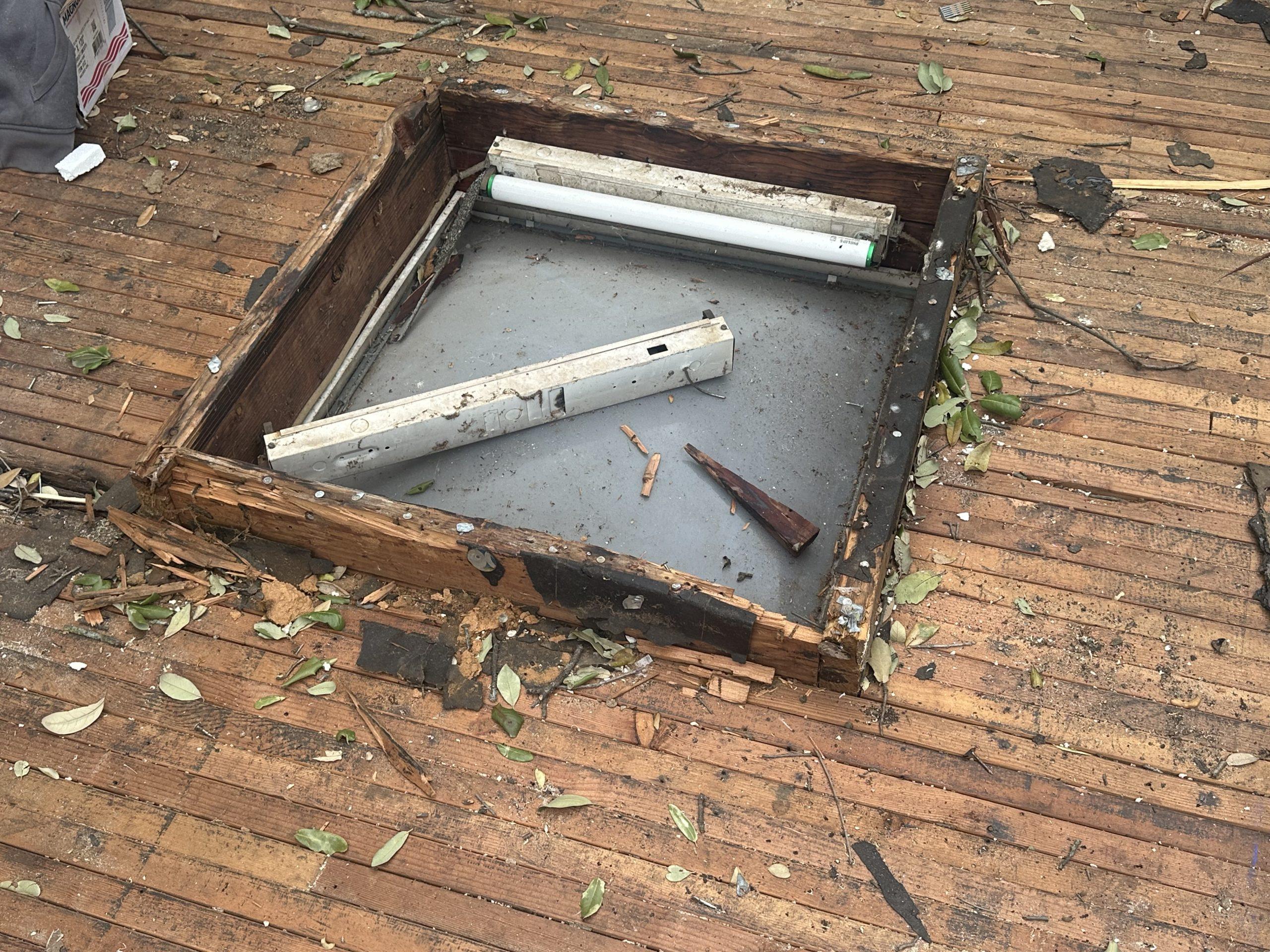
Free Storm Damage Inspection
StazOn Roofing has been inspecting DFW roofs for hail damage for 45 years. As a GAF Master Elite Contractor, we know exactly what adjusters look for — because we’ve worked alongside them thousands of times.
We inspect, document, and photograph damage at no cost. If your roof needs replacing, we’ll walk you through the insurance process step by step. If it doesn’t, we’ll tell you that too.