7 Signs You Need a Roof Replacement in Dallas
Most DFW homeowners don’t think about their roof until something goes wrong — a leak during a thunderstorm, shingles in the yard after a wind event, or a home inspector flagging problems during a sale. By then, the damage is usually worse than it needed to be.
The reality is that roofs give you warning signs well before they fail completely. Knowing what to look for can save you thousands in emergency repairs and water damage. Here are the 7 signs that it’s time to replace your roof — not just patch it.
For a complete overview of residential roofing in DFW, read our
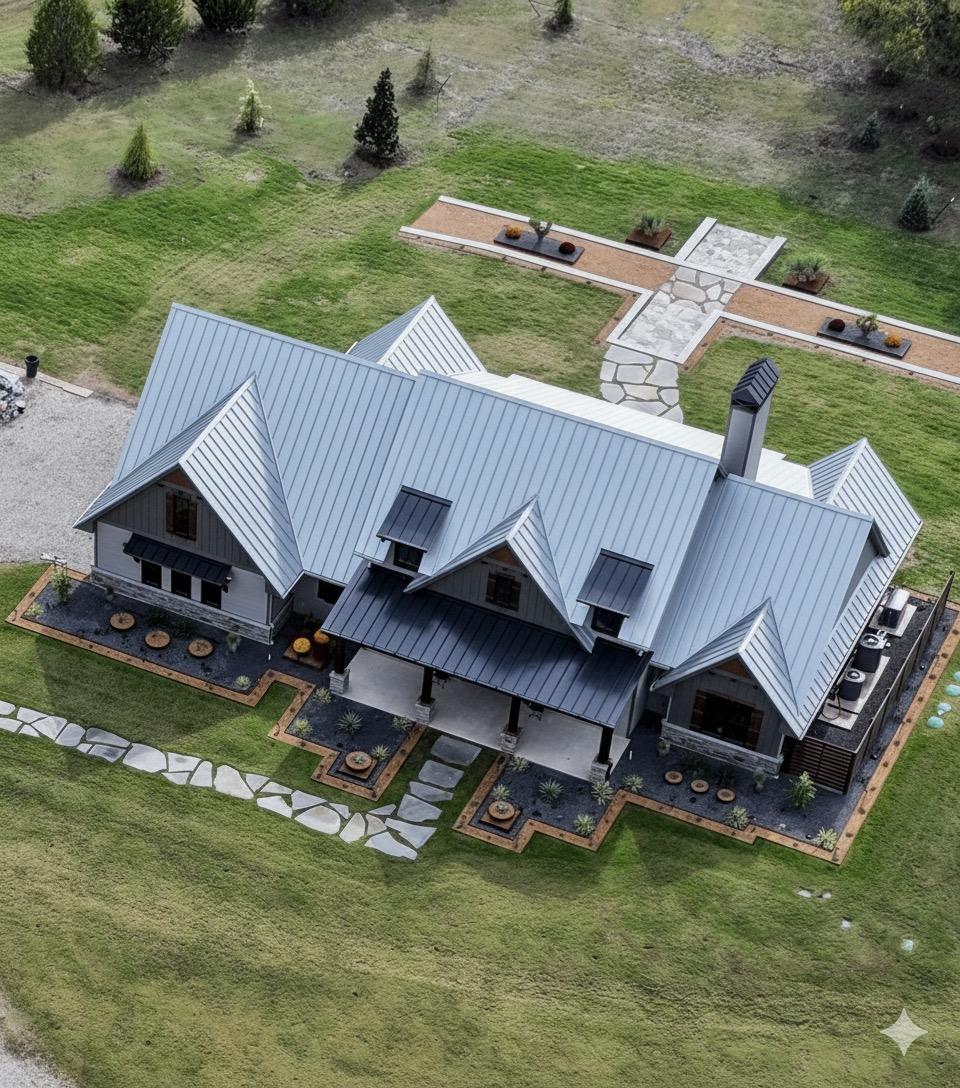
1. Your Roof Is 20+ Years Old
This is the most common — and most ignored — sign. In Dallas, the combination of extreme heat, UV exposure, hail, and thermal cycling shortens roof lifespans compared to the national average.
What the age means by material:
- 3-tab asphalt shingles: 15–20 years in DFW (often less with hail history)
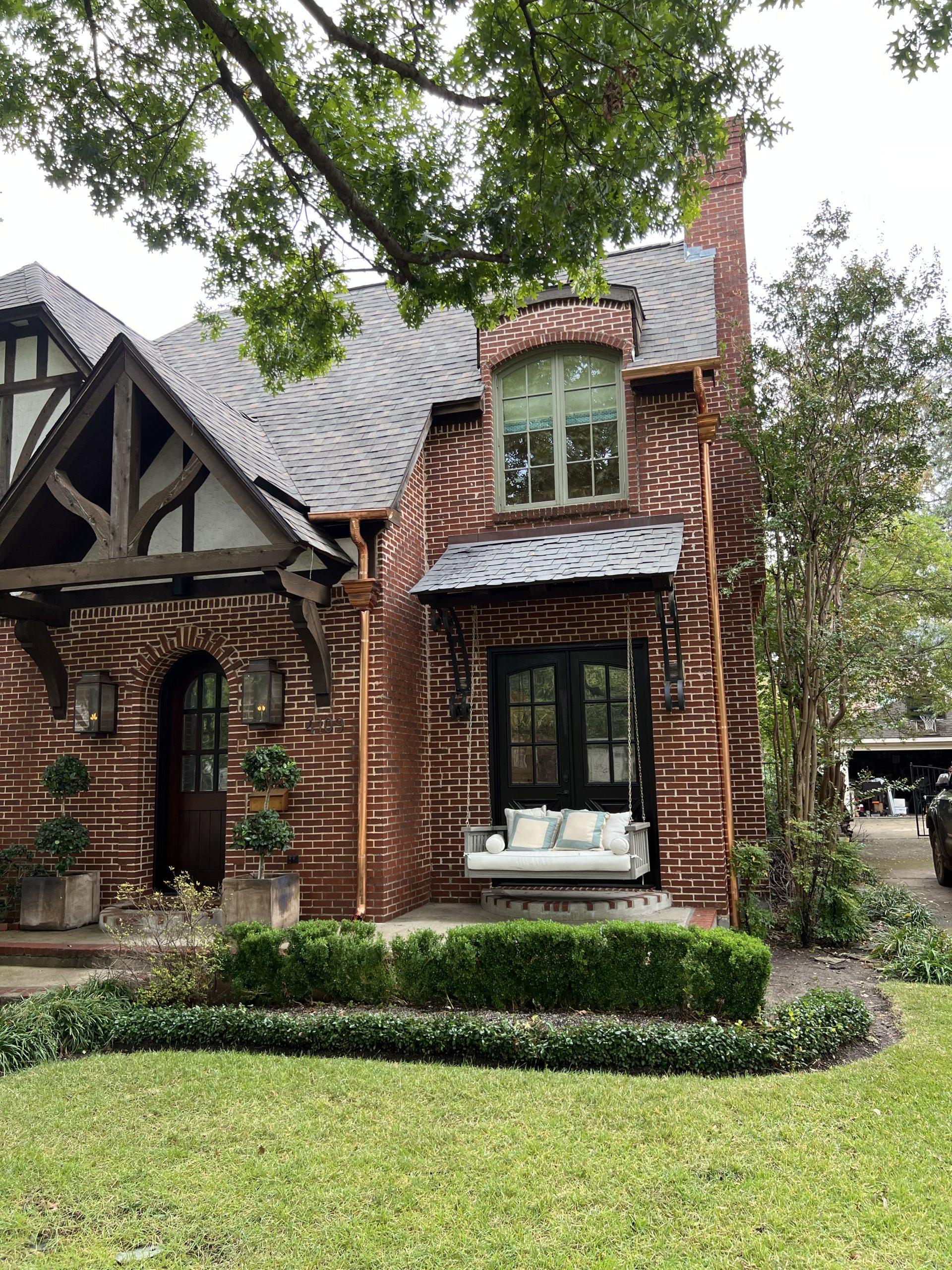
- Architectural shingles (GAF Timberline): 25–30 years with proper maintenance
- Metal roofing: 40–70 years
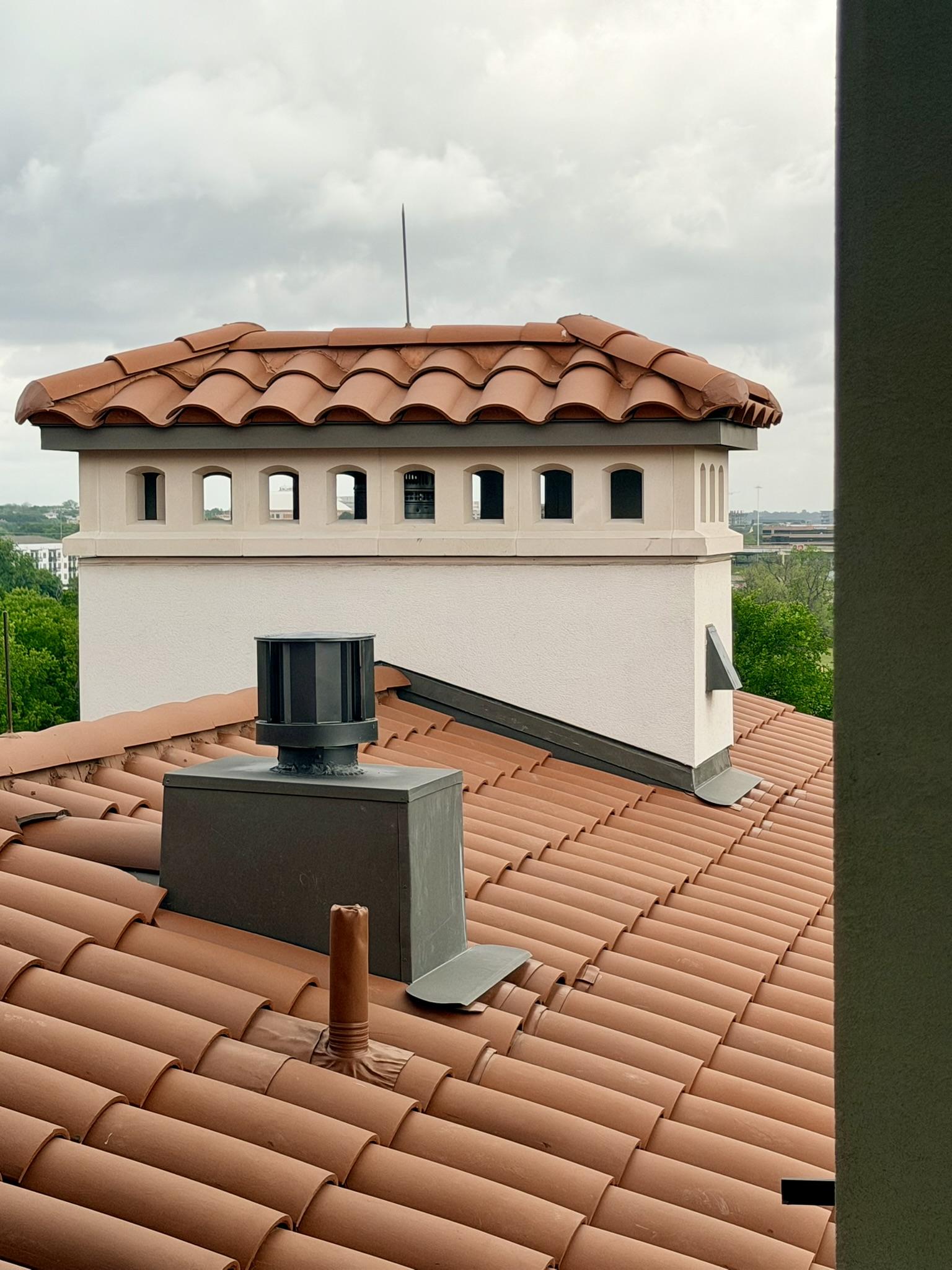
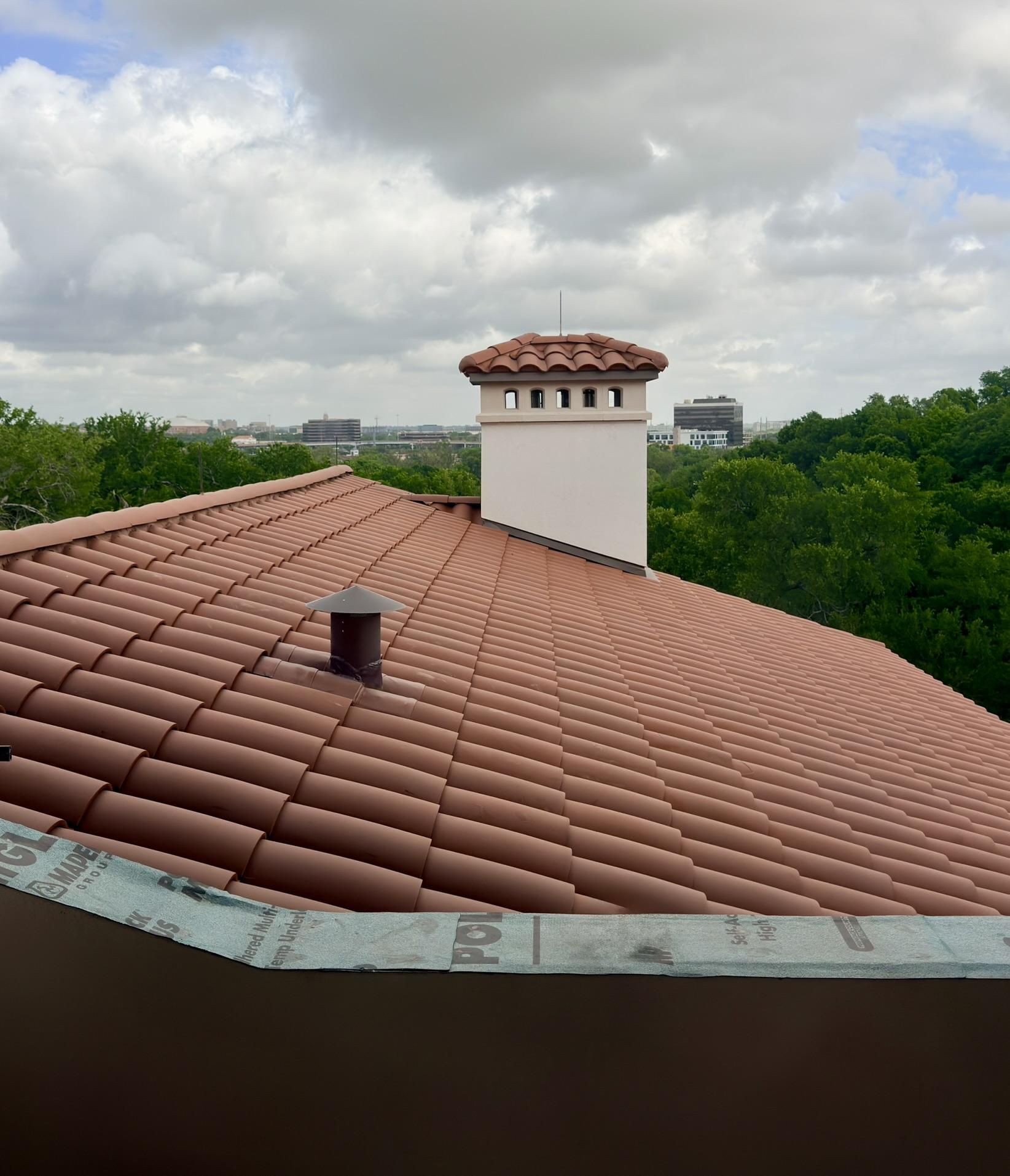
- Tile: 50+ years (but underlayment may fail at 20–30)
If your shingle roof is approaching 20 years old, it’s time for a professional inspection — even if it looks fine from the ground. Surface appearance doesn’t tell you what’s happening underneath.
What to do: Schedule a free roof evaluation. A qualified inspector can assess remaining life and catch problems invisible from ground level.
→ How Long Does a Roof Last in Dallas, Texas?— full breakdown by material and what shortens lifespan in DFW.
2. Shingles Are Curling, Cracking, or Buckling
Healthy shingles lie flat against the roof. When they start curling at the edges, cracking through the middle, or buckling upward, the material is failing.
Why it happens in Dallas:
- Years of UV exposure break down the oils that keep shingles flexible
- Thermal cycling (freezing winters → 100°F+ summers) causes repeated expansion and contraction
- Poor attic ventilation traps heat, cooking shingles from underneath
Why it matters: Curled and cracked shingles can’t shed water properly. They lift in wind. They let moisture underneath. Once this starts, it doesn’t reverse — it accelerates.
What to do: If curling or cracking is widespread (not just a few shingles), it’s a replacement, not a repair.
3. Granules Are Filling Your Gutters
Check your gutters after the next rain. If you see a gritty, sandpaper-like residue accumulating, those are granules — the protective coating on asphalt shingles.
What granules do: They shield the asphalt from UV radiation. Without them, shingles degrade rapidly — think of it like sunscreen for your roof.
What granule loss means: Some granule loss is normal in the first year after installation. But if your roof is 10+ years old and you’re seeing heavy granule accumulation, the shingles are nearing end of life.
DFW factor: Hail accelerates granule loss significantly. A single hailstorm can strip years of protection off your shingles — even when there’s no visible cracking or missing pieces.
What to do: Scoop some granules from your gutter and compare the exposed shingle surface to a protected area. If the color difference is dramatic, replacement is approaching.
→ Granule Loss on Shingles: What It Means for Your Dallas Roof
— full breakdown of causes, when it’s normal, and when it means replacement.
4. Your Roof Is Sagging
A sagging roofline is the most serious sign on this list. It means the structural support underneath — the decking, rafters, or trusses — is compromised.
Common causes in DFW:
- Long-term water infiltration that has rotted the decking
- Inadequate structural support for heavy materials (tile on a frame not designed for it)
- Years of layered roofing (two or more shingle layers adding weight)
- Storm damage to structural components
Why it’s urgent: A sagging roof is a safety issue. It won’t fix itself, and it will get worse. This is never a repair — it’s a full replacement with structural work.
What to do: If you notice any dip, bow, or wave in your roofline, call a roofing contractor immediately. Don’t wait for a leak.
→ What Does a Sagging Roof Mean? — Dallas Homeowner’s Guide — causes, risks, and what to expect from the repair process.
5. You Can See Daylight Through the Attic
Go into your attic on a sunny day. Turn off the lights. If you can see pinpoints of light coming through the roof boards, you have a problem.
What it means: If light gets in, water gets in. Even small gaps allow moisture infiltration that leads to mold, rot, and insulation damage over time.
DFW context: Dallas humidity levels during spring and summer mean that even small moisture intrusion creates ideal conditions for mold growth — especially in poorly ventilated attics.
What to do: While you’re up there, check for water stains, dark spots, or soft/spongy areas on the decking. Any of these combined with daylight penetration means replacement, not patching.
→ Water Stains on Your Ceiling? What Dallas Homeowners Should Know — how to diagnose whether it’s a roof leak, condensation, or HVAC issue.
6. You've Had Multiple Repairs in the Last Few Years
One repair is normal. Two repairs raise a question. Three or more repairs in 2–3 years means you’re spending replacement money in installments — without getting a replacement.
The math: If you’ve spent $1,500–$3,000 on repairs over the past few years, and a replacement costs $10,000–$15,000, you’re already 10–30% of the way there — with nothing to show for it except patches that may fail again.
The 30% rule: If cumulative repair costs exceed 30% of what a new roof would cost, stop repairing and replace. You’ll get a full warranty, better materials, and decades of protection.
What to do: Add up what you’ve spent on roof repairs in the last 3 years. Compare it to a replacement estimate. The answer usually becomes obvious.
→ Roof Repair vs. Replacement: When to Stop Patching Your Dallas Roof — the full math on when repairs stop making sense.
→ Missing Shingles After a DFW Storm: Repair or Replace? — how to make the call when storm damage hits.
7. Your Neighbors Are Replacing Their Roofs
This one sounds strange, but it’s one of the most reliable indicators. Homes in the same neighborhood, built at the same time, with the same materials and the same weather exposure tend to need replacement around the same time.
Why it matters in DFW: Many DFW subdivisions were built in waves — entire neighborhoods going up in 1–3 years. If homes around you are getting new roofs, yours is likely in the same condition.
The insurance angle: After a major hailstorm, if your neighbors are filing claims and getting replacements, your roof probably sustained the same damage — even if you haven’t noticed it yet. Hail damage doesn’t always show from the ground.
What to do: If you see roofing crews on multiple houses on your street, schedule an inspection. It’s free, and it could catch damage before it becomes a leak.
→ Hail Damage and Your Roof: What Dallas Homeowners Need to Know — how hail damages roofs, how to check, and when insurance covers replacement.
What to Do Next
If you recognized one or more of these signs, here’s your action plan:
- Don’t panic — most of these are gradual issues, not emergencies (except sagging)
- Schedule a professional inspection — a qualified roofer can assess your roof’s actual condition, not just what’s visible from the ground
- Get the inspection in writing — with photos and a clear recommendation (repair vs. replace)
- Get multiple estimates if replacement is recommended — but choose on credentials and quality, not just price
→ 8 Questions to Ask Before Hiring a Dallas Roofer — the full checklist for finding a contractor you can trust.
StazOn Roofing has been inspecting and replacing DFW roofs since 1980. As a GAF Master Elite Contractor, we bring 45 years of experience and the strongest warranty in the industry.
We’ll tell you exactly where your roof stands — and if it doesn’t need replacing yet, we’ll tell you that too.