What Does a Sagging Roof Mean? A Dallas Homeowner's Guide
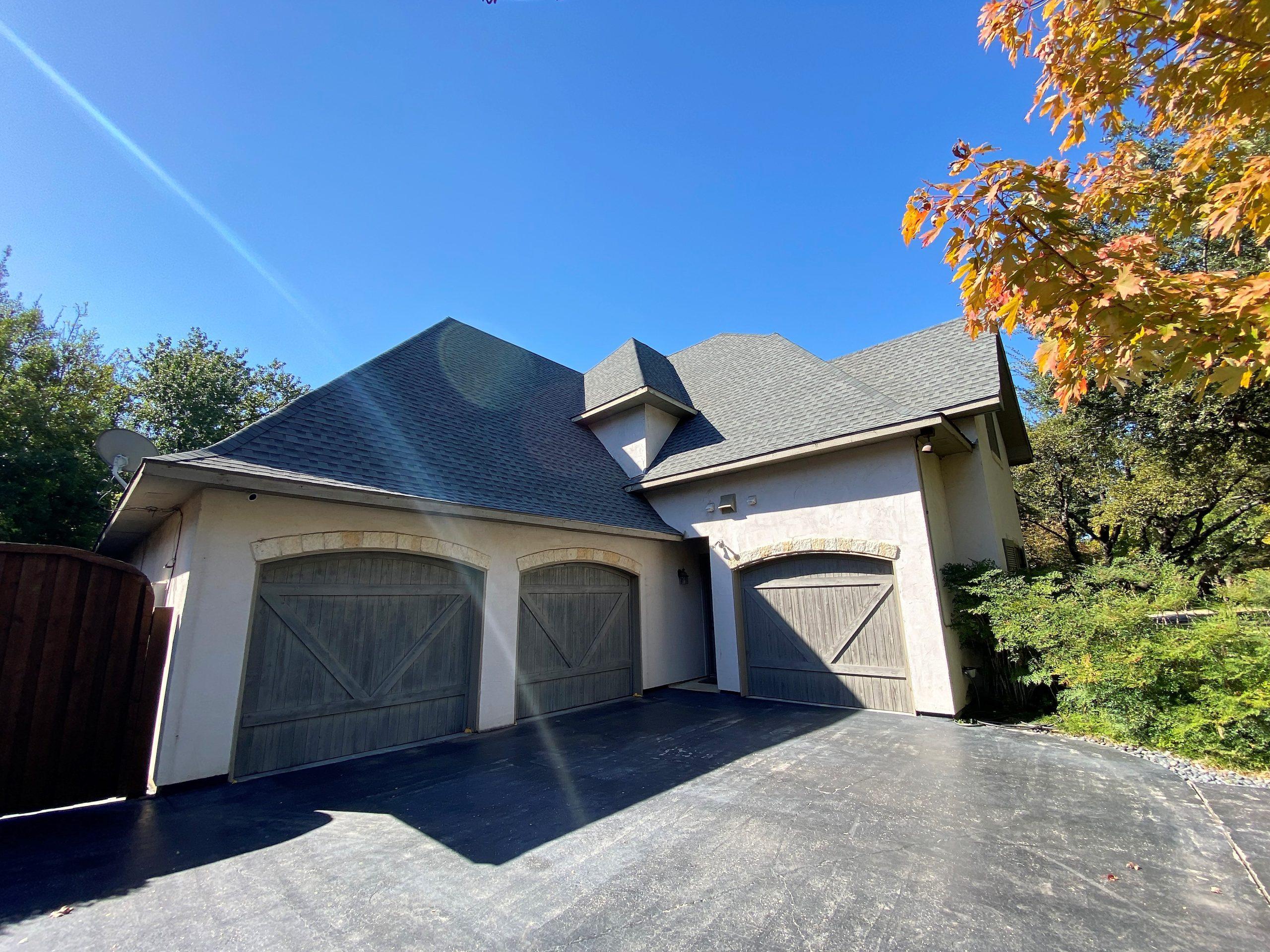
If you’ve noticed a dip, bow, or wave in your roofline, don’t ignore it. A sagging roof is one of the most serious warning signs a home can show — and in DFW, where storms, heat, and age all take their toll, it’s more common than most homeowners realize.
This isn’t a cosmetic issue. A sagging roof means something structural has failed or is actively failing. Here’s what causes it, how urgent it is, and what to do about it.
What Causes a Roof to Sag?
Water Damage and Rot: This is the #1 cause. A slow leak — sometimes lasting years without visible signs inside the home — gradually saturates the roof decking (the plywood or OSB boards your shingles sit on). Wet wood rots. Rotted wood can’t support weight. The roof begins to sag in the affected area.
In DFW, this is especially common after years of minor hail damage that compromised shingles without triggering an obvious leak. Water finds its way in slowly, and the damage accumulates out of sight.
Inadequate Structural Support: Some homes — particularly older ones or additions that weren’t properly engineered — have rafters or trusses that are undersized, spaced too far apart, or missing critical bracing. Over time, the cumulative weight of roofing materials, occasional water, and even foot traffic during repairs can cause these structures to deflect.
Too Many Roofing Layers: Dallas building code allows up to two layers of shingles. But two layers is heavy — roughly 5,000–6,000 pounds on a typical home. If the original structure was designed for one layer, or if the first layer wasn’t removed before the second was applied (a common shortcut), the extra weight can cause sagging over time.
Storm Damage: Severe storms — particularly the straight-line wind events and large hail that DFW experiences regularly — can crack or break rafters and trusses. This damage isn’t always visible from inside the attic, especially if insulation covers the affected area. The roof may look fine for months before the weakened structure begins to show.
Age: Everything degrades over time. A 30-year-old roof structure has been through hundreds of thermal cycles, dozens of storms, and decades of gravity. Even without a specific failure event, cumulative fatigue can cause gradual sagging.
How Serious Is a Sagging Roof?
Very. A sagging roof is a structural failure in progress. It will not stabilize on its own, and it will get worse.
Immediate risks:
- Collapse — In extreme cases, a sagging section can give way entirely. This is rare but not unheard of, particularly after heavy rain adds water weight to already-compromised decking.
- Accelerating water damage — A sag creates a low point where water pools instead of draining. Pooling water accelerates rot, which accelerates sagging — a feedback loop.
- Interior damage — As the roof structure shifts, it can crack drywall, stress window and door frames, and damage insulation and electrical systems.
The bottom line: A sagging roof is never a “wait and see” situation. It’s a “call a contractor this week” situation.
What Should You Do?
1. Don’t go up there
A sagging roof may not support your weight safely. Do not walk on it, and be cautious in the attic if you can see the sag from inside.
2. Call a qualified roofing contractor
You need someone who can assess structural damage — not just shingle damage. Look for a contractor experienced in full roof replacements, including decking and structural repairs.
→ Is Your Dallas Roofer Insured and Qualified? Here’s How to Check
3. Get a written inspection with photos
A thorough inspection should include:
- Exterior assessment of the sag location and extent
- Attic inspection of rafters, trusses, and decking
- Moisture testing of affected wood
- Photos documenting all findings
- A clear recommendation: repair scope or full replacement
4. Check your insurance
If the sagging is caused by storm damage (wind, hail, fallen tree), it may be covered under your homeowner’s insurance. Document everything before any work begins.
→ How to File a Roof Insurance Claim in Texas
5. Understand the scope
A sagging roof almost always means a full replacement — not a repair. You’ll likely need:
- Complete tear-off of existing roofing materials
- Replacement of damaged decking (plywood/OSB)
- Possible rafter or truss repair/reinforcement
- New underlayment, shingles, flashing, and ventilation
Can You Repair a Sagging Roof Without Replacing It?
In rare cases — if the sag is very minor and isolated to a small area with a clear, fixable cause (like a single broken rafter) — a targeted structural repair may be possible. But this is the exception, not the rule.
If the sagging is widespread, the decking is rotted, or the structure has been compromised in multiple areas, replacement is the only responsible option. Patching over structural failure is dangerous and a waste of money.
How Much Does It Cost to Fix a Sagging Roof in Dallas?
Cost varies significantly based on the extent of damage:
- Minor structural repair (one rafter, small decking section): $1,000–$3,000
- Moderate structural repair + partial re-roof: $5,000–$10,000
- Full replacement with structural work: $10,000–$25,000+
The biggest cost variable is how much structural work is needed underneath the new roof. This is why a thorough inspection is critical — you need to know the full scope before committing to a contractor or price.
Don't Wait on This One
Most roofing problems give you time. A sagging roof doesn’t. Every week you wait, the damage gets worse and the repair gets more expensive.
StazOn Roofing has been handling structural roof replacements in DFW since 1980. If you’ve noticed any sagging, dipping, or waviness in your roofline, call us for a free evaluation. We’ll tell you exactly what’s happening and what it’ll take to fix it.