
How to File a Roof Insurance Claim in Texas — Step by Step
Most Dallas homeowners have never filed a roof insurance claim before. And when a storm hits, they make the same mistake: they call their insurance company first.
That one decision costs homeowners thousands of dollars every year in underpaid claims, missed damage, and denied coverage.
Here’s how the process actually works — and how to get it right the first time.
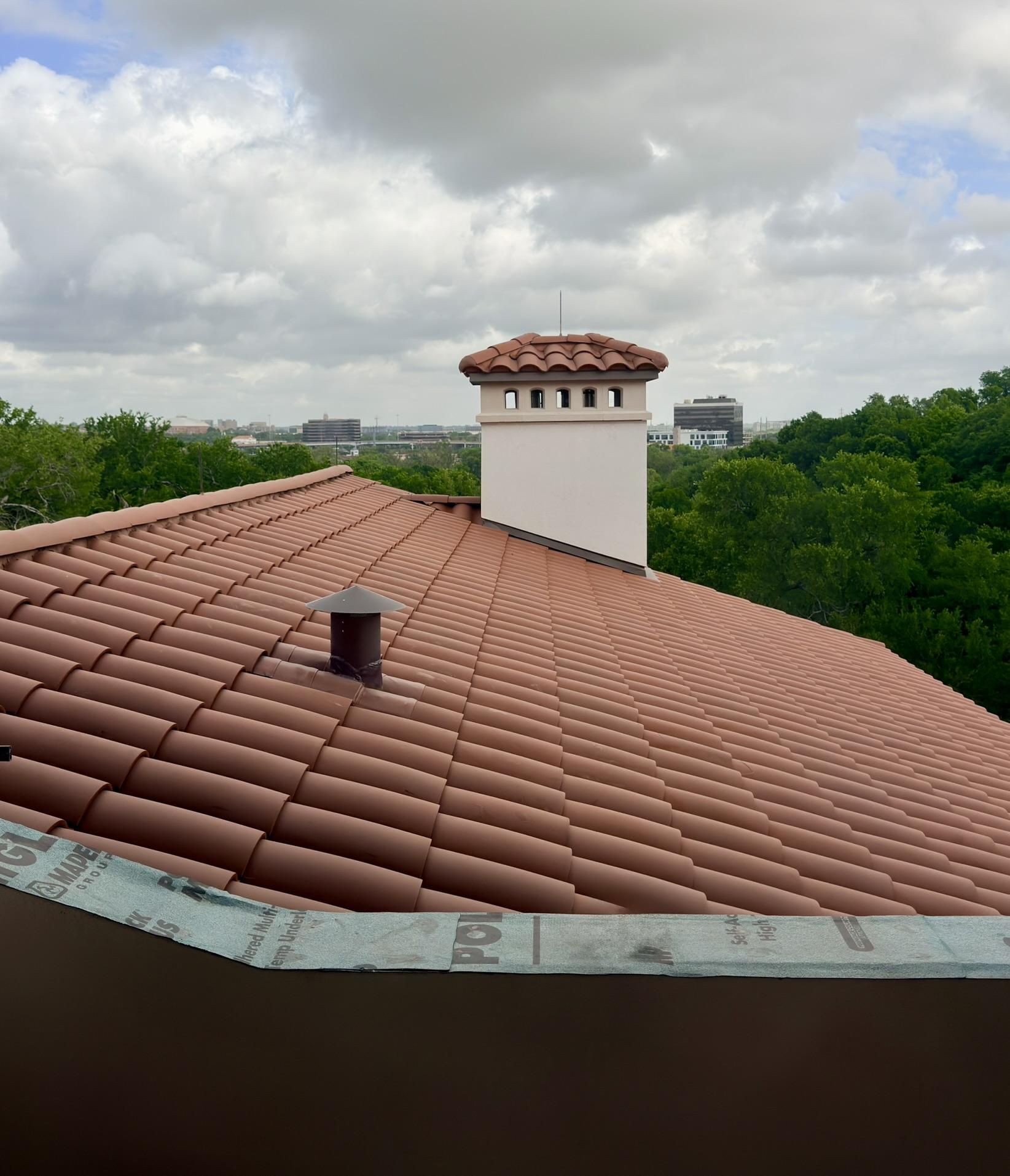
Call Your Roofer Before You Call Insurance
This is the single most important piece of advice in this entire guide.
Before you call your insurance company, call a certified roofer to inspect your roof and document the damage.
Why it matters:
- A professional roofer knows exactly what storm damage looks like — hail bruises, granule displacement, wind-lifted shingles, and cracked flashing.
- Your roofer will photograph every damage point and create a written assessment.
- That documentation becomes your evidence when you file the claim.
- Without it, you’re relying on the insurance adjuster’s assessment alone — and they work for the insurance company, not for you.
StazOn Roofing provides free storm damage inspections across DFW. We document everything before you file so your claim starts on solid ground.
The Roof Insurance Claim Process — Step by Step
Step 1: Document the Damage From the Ground
Walk your property after the storm. Take photos of everything you can see:- Dented gutters and downspouts
- Missing or displaced shingles
- Debris in the yard — fallen branches, shingle pieces
- Damaged siding, fences, or window screens
- Granule buildup at the base of downspouts
Step 2: Schedule a Professional Roof Inspection
Call a certified roofing contractor — not just anyone with a truck and a ladder. Your roofer should:- Walk the entire roof surface and document every impact point
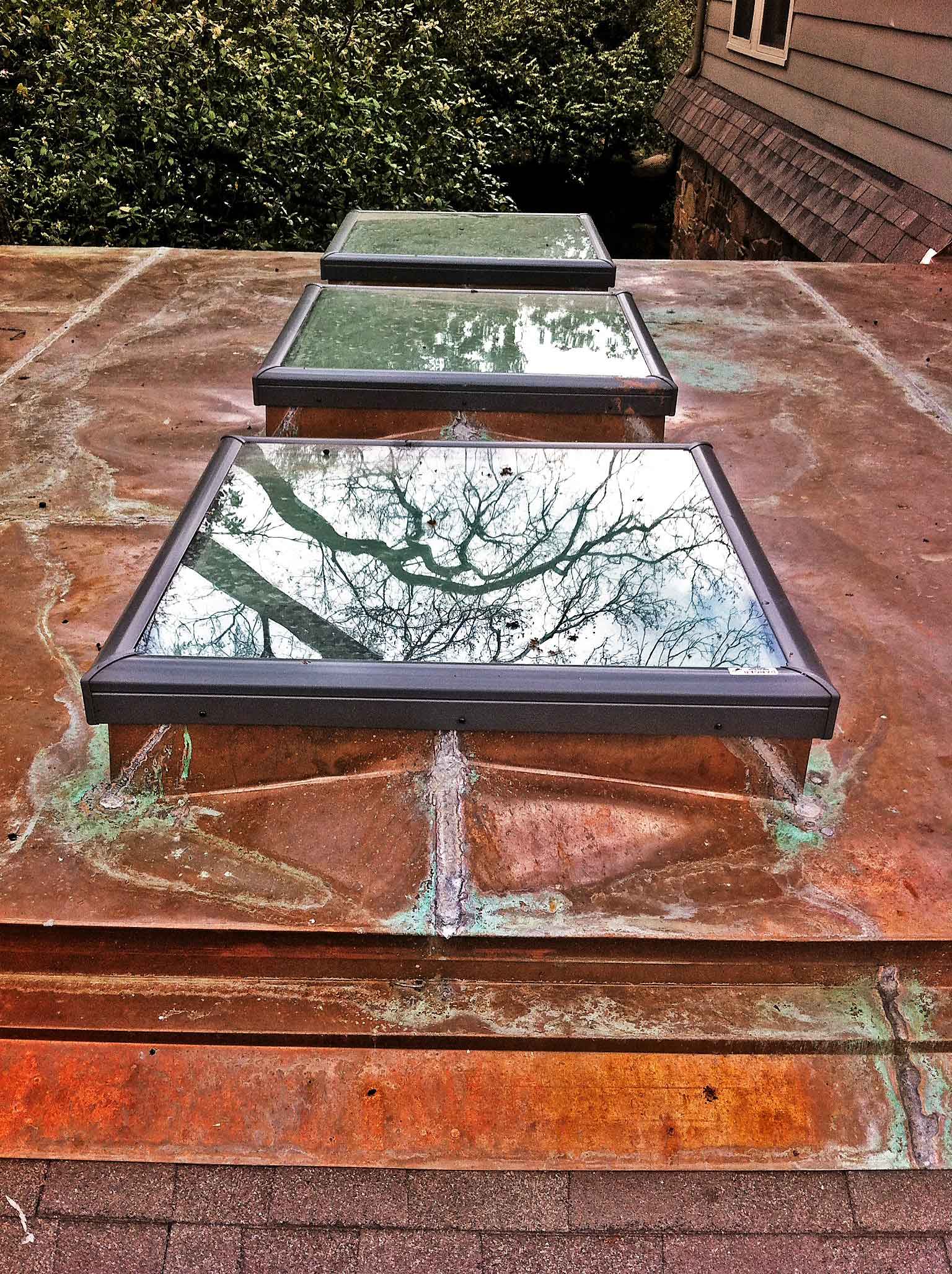
- Check soft metals (vents, flashing, ridge caps) for hail dents
- Test shingles for bruising — compressed shingle mat that isn’t visible from the surface
- Photograph all damage with reference markers
- Provide a written assessment with findings
Step 3: File the Claim With Your Insurance Company
Once you have your roofer’s documentation, call your insurance company’s claims line. You’ll need:- Your policy number
- Date of the storm
- Description of the damage
- Your roofer’s inspection report and photos
Step 4: Your Roofer Meets the Insurance Adjuster
The insurance company will send an adjuster to inspect your roof. This is where most claims go wrong. Your roofer should be on the roof with the adjuster. This is not optional. Here’s why:- Adjusters are often generalists — they inspect homes, cars, and businesses. They may not know roofing at the same level as a certified contractor.
- Damage gets missed. Hail bruising, cracked pipe boots, and compromised underlayment are easy to overlook if you don’t do this every day.
- Your roofer can point out every damage area in real time and ensure the adjuster’s scope reflects the full extent of the damage.
Step 5: Review the Scope and Payment
After the adjuster’s visit, your insurance company issues:- A scope of work — the list of repairs or replacement they’re approving
- A payment amount — typically the replacement cost minus your deductible and minus depreciation (if you have an RCV policy, you get the depreciation back after the work is completed)
Step 6: File a Supplement If Needed
A supplement is an additional claim for damage that wasn’t captured in the original adjuster’s scope. This happens frequently because:- Some damage only becomes visible during tear-off (rotted decking, water-damaged underlayment)
- Adjusters sometimes undercount affected areas
- Code upgrades may be required that weren’t included in the original scope
Step 7: Get the Work Done
Once the claim is approved and payment is issued, your roofer handles the rest:- Material ordering
- Scheduling the installation crew
- Tear-off and inspection of the decking
- Installation per manufacturer specifications
- Final cleanup and inspection
Common Insurance Claim Mistakes Dallas Homeowners Make
Filing Before Getting an Inspection
If you file a claim with no documentation, you’re starting from a disadvantage. The adjuster’s word becomes the only record. Get your roofer up there first.
Not Having Your Roofer Meet the Adjuster
This is where underpaid claims happen. The adjuster walks the roof alone, misses damage, and writes a scope that doesn’t cover the full repair. Your roofer needs to be there.
Accepting the First Offer Without Review
The initial scope and payment are a starting point, not a final answer. Review every line item with your roofer. If damage was missed, file a supplement.
Waiting Too Long to File
Most Texas homeowner’s policies require you to file within one year of the storm date. But don’t wait. Damage worsens with every rain. Evidence fades. File promptly.
Falling for the “We’ll Cover Your Deductible” Pitch
Any roofer who offers to pay or waive your deductible is asking you to commit insurance fraud. In Texas, this is illegal. Reputable contractors will never make this offer.
What Does Homeowner’s Insurance Actually Cover on a Roof?
- Hail damage
- Wind damage (missing/lifted shingles, blown-off ridge caps)
- Fallen tree or debris damage
- Fire damage
- Tornado damage
- Normal wear and aging
- Neglected maintenance
- Pre-existing damage from previous storms
- Cosmetic-only damage (some policies exclude this)
- Roofs beyond their rated lifespan
- ACV (Actual Cash Value): Insurance pays the depreciated value of the roof. You’re responsible for the difference between that and the full replacement cost. These policies are cheaper but leave you paying more out of pocket.
- RCV (Replacement Cost Value): Insurance pays the full replacement cost. You pay your deductible upfront, and the insurance company withholds depreciation until the work is completed. Once you submit the final invoice, they release the remaining funds.
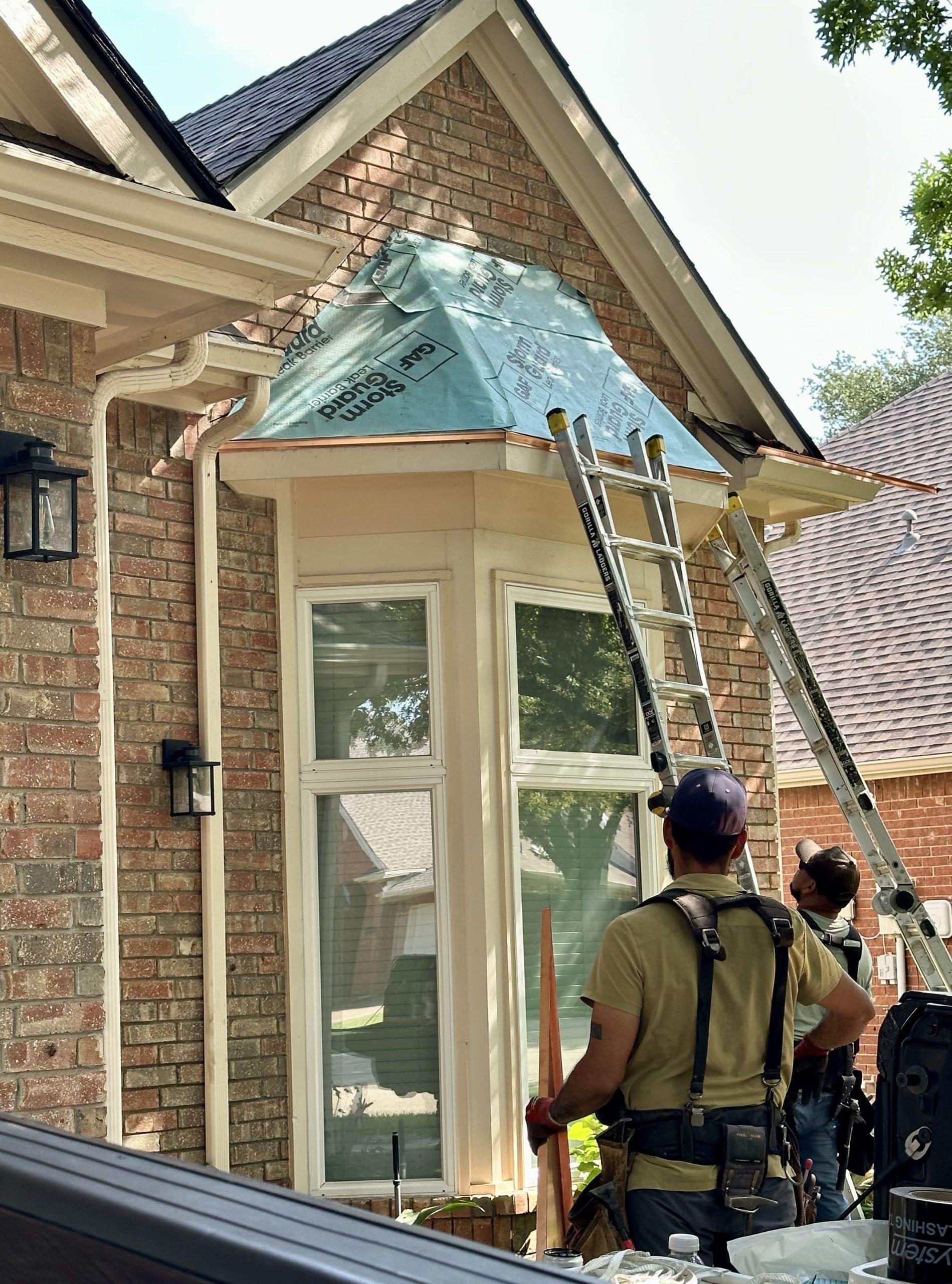
Why StazOn Handles Insurance Claims Differently
Most roofers do the inspection and leave you to deal with insurance on your own. We don’t.
What we do on every storm damage claim:
- Free inspection with full photo documentation
- File the claim with you or guide you through the filing
- Meet the adjuster on the roof — every time
- Review the scope and identify missed items
- File supplements when damage is undervalued or discovered during tear-off
- Handle the full installation and final documentation
We’ve been doing this in Dallas since 1980. We know DFW insurance adjusters, we know the claims process, and we know how to make sure your roof gets the coverage it deserves.
Frequently Asked Questions
Q: Should I call my roofer or my insurance company first after a storm?
A: Call your roofer first. A professional inspection gives you documented evidence to support your claim. Filing without documentation often leads to underpaid or denied claims.
Q: How long do I have to file a roof insurance claim in Texas?
Q: What if my insurance claim is underpaid?
A: Your roofer can file a supplement — an additional claim for damage that was missed or undervalued in the original scope. Supplements are a normal part of the process and are filed with supporting photos and documentation.
Q: Will I have to pay anything out of pocket?
Q: Does StazOn Roofing help with the insurance claim process?
A: Yes. We handle every step — free inspection, documentation, adjuster meeting, scope review, supplement filing, and full installation. We’ve been managing storm damage claims in Dallas since 1980.