Storm Chaser Roofers in Dallas — How to Spot Them and Why They’re Dangerous
Within 48 hours of every major hail event in DFW, it starts.
Trucks with out-of-state plates fill up neighborhood streets. Guys with branded polo shirts knock on doors. Flyers appear on mailboxes and stuck under windshield wipers. The pitch is always some version of the same thing:
“We noticed your roof took some damage. We can get you a brand new roof — insurance covers everything — and we’ll take care of the whole process for you.”
They’re called storm chasers. And they are responsible for more roofing problems in Dallas than the storms themselves.
What Is a Storm Chaser Roofer?
Why Storm Chasers Target DFW
- High hail frequency — DFW averages 10+ significant hail events per year between March and August
- Large suburban footprint — miles of residential neighborhoods with asphalt shingle roofs
- Insurance-friendly state — Texas homeowner’s policies generally cover hail damage, which means insurance is paying for the roof, not the homeowner
- Short homeowner memory — by the time problems surface (6–18 months later), the storm chaser is long gone
8 Red Flags That You’re Talking to a Storm Chaser
1. They Knocked on Your Door Unsolicited
Legitimate roofing companies don’t canvass neighborhoods after storms. They don’t need to. They have established reputations, existing customers, and referral networks.
Door-to-door solicitation after a hail event is the #1 indicator of a storm chaser.
2. No Local Address
Ask for their office address. Not a P.O. box — a physical office you can drive to. If they can’t give you one, or they give you a “satellite office” in a shared workspace, they’re not from here.
StazOn Roofing has been at the same address on Lombardy Drive in Dallas since 1980. That’s 45 years in the same location.
3. They Pressure You to Sign Immediately
“This price is only good today.” “We only have a few crew slots left.” “If you don’t sign now, you’ll miss the window.”
Every one of these lines is a pressure tactic. A legitimate roofer gives you time to think, compare, and make an informed decision. There is no expiring offer on a roof insurance claim.

4. They Offer to Cover Your Deductible
This is the biggest red flag of all — and it’s illegal.
In Texas, it is a violation of the Insurance Code (§27.155) for a contractor to pay, waive, or absorb a homeowner’s insurance deductible. It’s insurance fraud, and both the contractor and the homeowner can face consequences.
If a roofer says “don’t worry about your deductible,” walk away immediately.
5. No Manufacturer Certifications
Ask if they’re certified by GAF, Owens Corning, or CertainTeed. Storm chasers almost never carry manufacturer certifications because those programs require:
- Proven track record
- Financial stability
- Ongoing training
- Customer satisfaction standards
- Local business presence
StazOn is a GAF Master Elite Contractor — top 3% nationally. That certification gives you access to warranty protection that uncertified roofers simply cannot offer.
6. They Can’t Provide Local References
Ask for 5 references from homeowners in your city — with phone numbers. Storm chasers can’t do this because they’ve never worked here before.
A company with 45 years in Dallas has thousands of past customers. We’re happy to provide references anytime.
7. They Want Full Payment Before Starting
Legitimate roofing contractors in Texas do not require full payment upfront. The standard process for insurance work is:
- You pay your deductible
- Insurance pays the contractor after the work is completed
- Final payment is released upon completion
Any contractor demanding full payment before material delivery is a risk.
8. Their Contract Has Unusual Terms
Read the contract. Watch for:
- Assignment of Benefits (AOB): This gives the contractor the right to negotiate directly with your insurance company on your behalf. Some AOBs are legitimate, but storm chasers use them to inflate claims and pocket the difference.
- Cancellation penalties: Legitimate contractors in Texas must allow a 3-day right of rescission for door-to-door sales (Texas Business & Commerce Code §601).
- Vague scope of work: If the contract doesn’t specify materials, quantities, and warranty terms, don’t sign it.
What Happens When You Hire a Storm Chaser
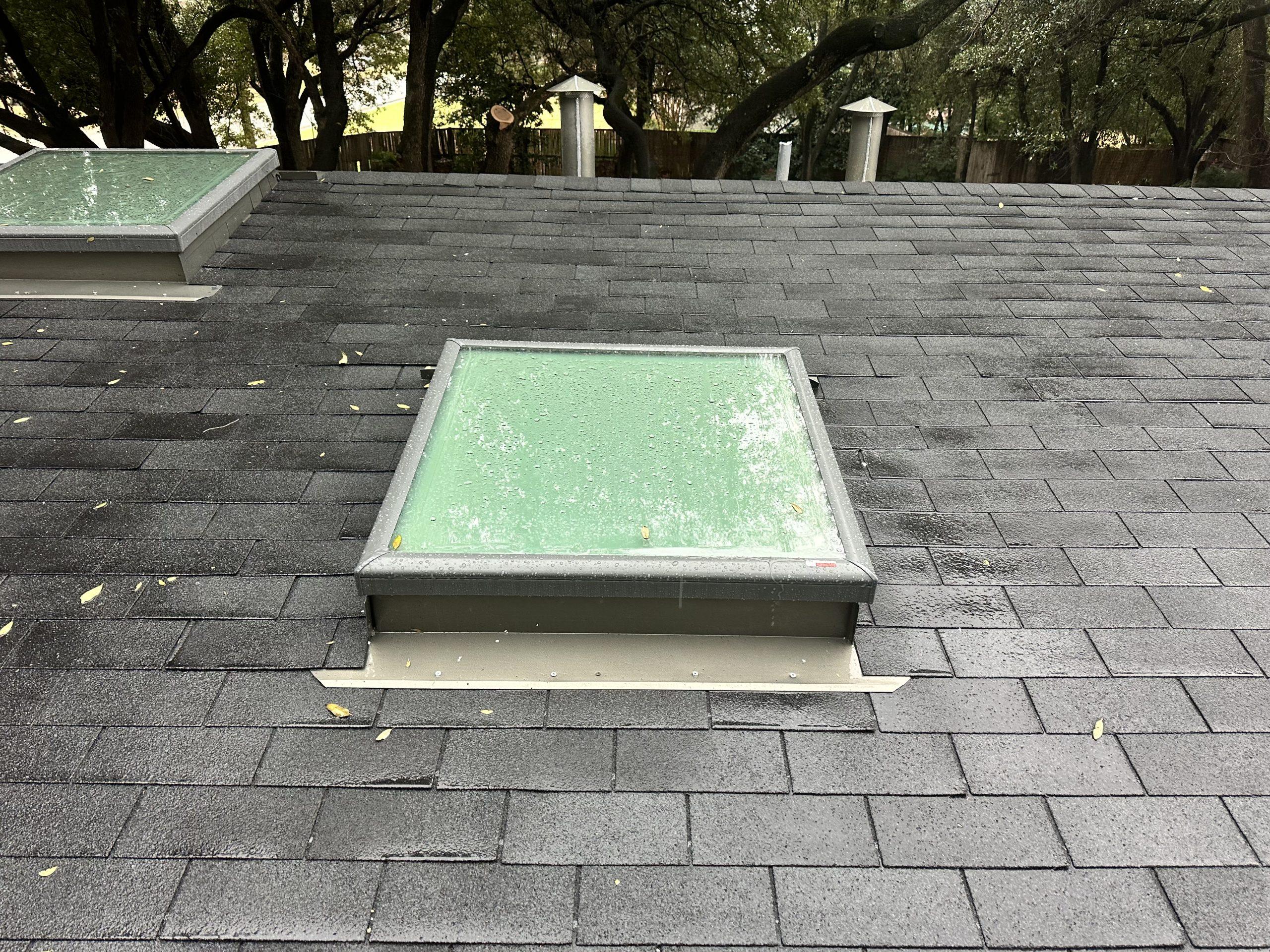
Poor Installation Quality
Speed matters more than quality to a storm chaser. Common shortcuts:- Improper nail placement (high nailing voids the manufacturer’s warranty)
- Skipped starter strips or drip edge
- No ice and water shield in valleys
- Decking not replaced where needed
- Flashing reused instead of replaced
- Cleanup rushed — nails left in the yard and driveway
Voided Manufacturer Warranty
GAF, Owens Corning, and CertainTeed warranties require installation by certified contractors following their specifications. A storm chaser’s installation almost never meets those requirements.
That means your brand-new roof may have zero manufacturer warranty coverage from day one.
No Workmanship Warranty
Storm chasers offer verbal promises, not enforceable warranties. When the roof leaks in 8 months, there’s no one to call. They’re in another state. Their phone number is disconnected. The LLC they used has been dissolved.
Insurance Complications
Inflated claims, AOB disputes, and supplement fraud committed by storm chasers can create problems with your insurance company — problems that follow you, not the contractor.
How to Choose a Roofer You Can Trust After a Storm
- Local office you can visit — not a P.O. box
- 10+ years in business at the same location
- Manufacturer certified — GAF Master Elite, Owens Corning Platinum, or equivalent
- Local references with phone numbers
- Written warranty on workmanship — not just materials
- No deductible offers — they follow the law
- Meets the adjuster on the roof with you
- Clear contract with materials, scope, and timeline specified
- Licensed and insured — ask for certificate of insurance
Why Dallas Homeowners Trust StazOn After a Storm
45 years in Dallas. Same family. Same address on Lombardy Drive since 1980. We’ve been through every major hail season this city has seen.
GAF Master Elite. Top 3% of roofers in the country. That means Golden Pledge warranty coverage — 50-year materials, 25-year workmanship. No storm chaser can offer that.
We handle the insurance process. Free inspection, full documentation, adjuster meeting, supplement filing. We’ve done this thousands of times.
No pressure. No gimmicks. We inspect your roof, tell you what we find, and let you decide. We don’t knock on doors. We don’t chase storms. We don’t need to.
Frequently Asked Questions
A: A storm chaser is a contractor who travels from city to city following severe weather events. They solicit homeowners door-to-door, install roofs quickly, and leave town before problems surface. They have no local office, no long-term accountability, and often can’t offer manufacturer-backed warranties.
A: Storm chasers typically offer no enforceable workmanship warranty and their installations often void the manufacturer’s material warranty due to improper installation. A GAF Master Elite contractor like StazOn can offer Golden Pledge warranty coverage — 50-year non-prorated materials and 25-year workmanship.
A: You can, but it’s not recommended. Without a professional damage assessment, your claim may be underpaid or denied. A certified roofer documents the damage, meets the adjuster on the roof, and files supplements for anything that was missed.