Yes, a metal roof is usually a little louder than a shingle roof in heavy rain and hail, but not nearly as loud as most people fear. The sound depends far more on the underlayment, insulation, and attic below the panels than on the metal itself. A properly installed metal roof with solid decking, an insulated attic, and good underlayment sounds like a soft patter indoors — not a drum. StazOn Roofing, a family owned metal roof installer since 1980, builds metal roofs across Dallas that stay quiet through the roughest DFW storms.
Why Do People Say Metal Roofs Are Noisy in Rain?
The noise myth starts with the cheapest metal installations — barns and sheds where panels sit on open purlins with nothing underneath to absorb sound. That is not how a residential metal roof should be built.
- Panel over bare purlins = loud — with open framing and no solid deck, rain and hail ring off the metal.
- Panel over solid sheathing = quiet — on a normal home, panels go over plywood or OSB decking that absorbs and dampens the impact.
- Underlayment deadens sound — a quality underlayment layer between deck and panels softens rain impact.
- The attic absorbs the rest — insulation and the air space below soak up what sound does get through.
- Hail on any metal roof is notably louder than rain — that is physics, not a defect.
The old “drumming” nightmare comes from agricultural metal buildings, not from a professionally installed roof on a home in Dallas.
How Much Noisier Is a Metal Roof Than Shingles in Rain?
When both are installed the way a modern home demands, the difference is small — and some homeowners find metal quieter in a downpour.
- The metal panel sheds rain smoothly — steady rain produces a gentle, even patter rather than sharp impacts.
- A solid deck and underlayment keep the sound to a soft drumming you barely notice from the room below.
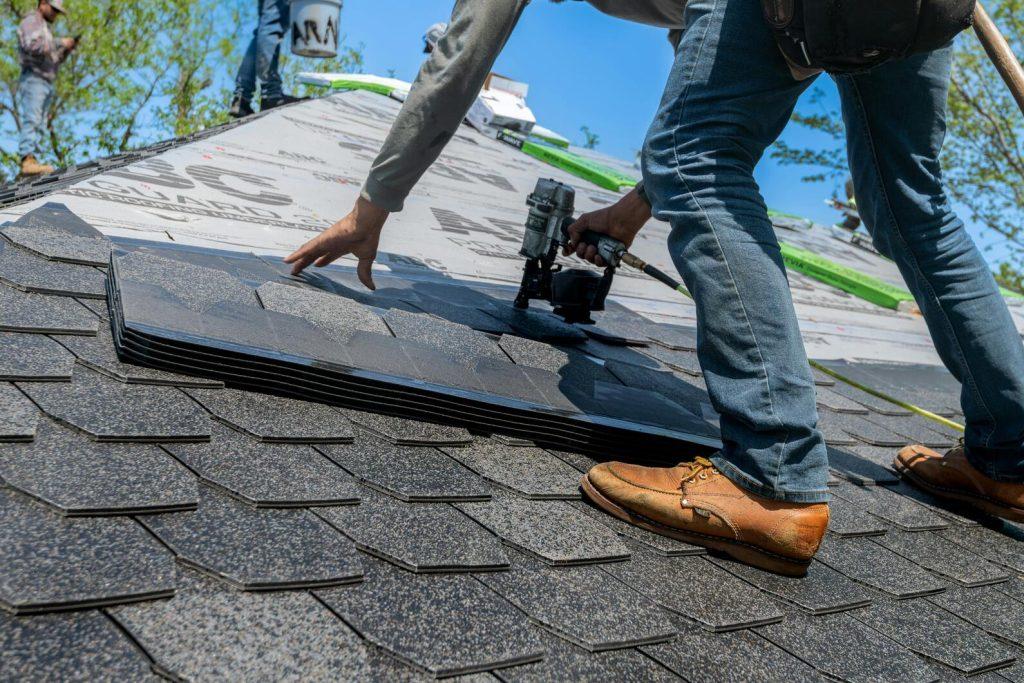
- Shingles absorb some impact too, but they don’t reflect it the way metal can when poorly detailed.
- The attic and insulation do the heavy lifting — the roof material matters less than what is underneath it.
- In a house with a finished, insulated attic, most people cannot tell the difference between metal and shingle roofs in rain.
The honest answer for Dallas buyers: a well-built metal roof is not the drum-roll noise of the old barns, and modern sound-deadening iterations make it a non-issue.
Call 214-466-1518.
Does Hail Sound Louder on a Metal Roof?
Hail is the one sound that is genuinely louder on metal, and no one should pretend otherwise. The good news is that hail is brief and uncommon in any given year.
- Hailstones striking bare metal ring and pop more than they do on asphalt.
- Underlayment and solid sheathing cut that ring substantially — a sharp crack turns into a duller thud.
- DFW gets meaningful hail a handful of days a year — the loud moments are rare even in Texas.
- A standing seam metal roof with good sound-deadening handles hail more quietly than a thin screw-down panel.
- Compare that to shingles, which absorb hail impact better but show damage that wears the roof out.
When you weigh a short burst of hail sound against decades of hard-wearing metal performance, most DFW owners decide the trade is well worth it. See what hail damage does to a roof so you can compare how metal and shingles hold up before your next storm.
What Actually Keeps a Metal Roof Quiet?
If sound is your concern, the fix is design, not giving up on metal. Four details do the real work of keeping a metal roof quiet in DFW storms.
- Solid wood sheathing — panels over a full OSB or plywood deck instead of open purlins.
- A quality underlayment — an added layer that absorbs impact and adds a moisture barrier.
- Insulation in the roof cavity or attic — the single biggest noise killer, whatever the material.
- Attic ventilation and finished attic space — an insulated, drywalled attic absorbs far more sound than an empty one.
- Stand a well-built metal roof against an asphalt roof on the same house and the sound difference is minor.
These are the same details that make a metal roof energy-efficient and long-lasting, so quieting it is really about building it correctly in the first place. That is exactly how we put up metal roofing Dallas jobs, and the same insulation work also helps a roof add to home energy efficiency in the Texas heat.
Call 214-466-1518.
Does the Type of Underlayment Change How Loud a Metal Roof Is?
Underlayment is the quiet secret of a well-built metal roof. It is the layer between the metal panels and the wood deck, and its job is more than waterproofing — it absorbs the impact that would otherwise ring through the house.
- A heavy, quality underlayment deadens rain and hail impact against the bare deck.
- Underlayment adds a secondary moisture barrier — even minor panel movement never touches the wood.
- Paired with insulation — it turns a “tin roof” sound into a soft indoor patter.
- Synthetic underlayment holds up better than old-style felt in the DFW heat and stays a better sound barrier over time.
- The buildup — metal, underlayment, deck, insulation — is a system, and the underlayment is the unsung layer doing the acoustic work.
If a roofer quotes you a metal roof with only a thin felt barrier, ask about a heavier underlayment. It is a small upgrade that buys decades of quieter storms.
Metal Roof vs Shingles in Hail: Which Is Quietest?
Compared head to head in a true hail event, the answers split in a way most people don’t expect.
- Shingles absorb hail sound better — the asphalt and granules cushion each impact.
- Metal roof hail sound is sharper, but the panels resist that hail far better and get dented less.
- Underlayment makes metal surprisingly close to shingles once installed with proper deadening.
- The durability trade wins for metal — a roof that survives the hail sounds better than a shingle roof being marked up and wearing out.
- In the DFW climate, hail hits a few times a decade; the roof you choose has to take it for 50 years.
So yes, shingles are marginally quieter in a hail burst, but they are also the roof that needs replacing sooner in a storm-prone market. The comparison usually comes down to durability, not a few seconds of extra sound.
Call 214-466-1518.
FAQ
Q: Do metal roofs make more noise in rain than shingles?
A: When both are installed properly, the difference is small. A metal roof over solid sheathing with underlayment and an insulated attic sounds like a soft patter, close to what shingles produce. The old loud drumming comes from barns without decking.
Q: Does hail sound louder on a metal roof?
A: Yes, hail is genuinely louder on metal than on asphalt, though underlayment and solid decking cut that sound significantly. Hail is brief and uncommon, so most DFW owners find the durability worth a few noisy minutes.
Q: How can I make my metal roof quieter?
A: Install the panels over solid wood sheathing, add a quality underlayment, insulate the roof cavity or attic, and ensure good attic ventilation. These four details do far more for sound than the metal itself.
Q: Is a metal roof too loud to live under?
A: No. Professionally installed metal roofs over solid decking with insulation are quiet to live under. The notorious loud metal roofs are agricultural buildings with panels mounted to open purlins.
Q: Are standing seam metal roofs quieter than screw-down metal roofs?
A: Generally yes, because standing seam panels fasten with concealed clips over a solid deck and allow good underlayment installation, so there is less drumming. Proper buildup matters more than the profile alone.
Q: Does a metal roof make noise in light rain?
A: In light rain a well-insulated metal roof is nearly silent from inside. Steady rain produces a soft, even patter rather than sharp sounds, thanks to the solid deck and attic insulation.