Residential Roofing Dallas: Complete Guide for DFW Homeowners
Your roof takes more punishment in Dallas than almost anywhere else in the country. Summer heat that pushes 110°F on the shingles. Hailstorms that roll through every spring. Wind gusts that peel back flashing like tin foil. And then the occasional ice storm just to keep things interesting.
If you’re a DFW homeowner, your roof isn’t just overhead protection — it’s the single most important system on your house. When it fails, everything underneath it fails too.
This guide covers everything you need to know about residential roofing in Dallas — from choosing the right materials to knowing when it’s time to replace, how to hire a contractor you can trust, and what to do when a storm hits. StazOn Roofing has been protecting DFW homes since 1980, and this is the knowledge we’ve built over 45 years of doing this work.
In this guide:
- Water Stains on Your Ceiling?
- Missing Shingles After a DFW Storm: Repair or Replace?
- 7 Signs You Need a Roof Replacement in Dallas
- Granule Loss on Shingles: What It Means for Your Dallas Roof
- What Does a Sagging Roof Mean? A Dallas Homeowner’s Guide
- Hail Damage and Your Roof: What Dallas Homeowners Need to Know
- Roof Repair vs. Replacement: When to Stop Patching Your Dallas Roof
- How Long Does a Roof Last in Dallas, Texas?
Roofing Materials for Dallas Homes
Not every roofing material works the same in North Texas. What performs great in Seattle will fail in Dallas. The heat, hail, and UV exposure here demand materials that can take a beating year after year.
Composition Shingles (Asphalt)
Asphalt shingles are the most common residential roofing material in DFW — and for good reason. Modern architectural shingles like the GAF Timberline HDZ deliver a strong balance of durability, curb appeal, and value. But even quality shingles can lift, crack, or blow off after severe storms. If you’ve spotted missing shingles on your roof after a storm, that exposed decking is already taking damage — and it doesn’t wait for you to notice.
Best for: Most DFW homes. Budget-conscious homeowners who still want quality and curb appeal.
Lifespan in Dallas: 20–30 years depending on quality, ventilation, and maintenance.
DFW considerations: Choose impact-resistant shingles (Class 4) if you’re in a hail-prone area like Plano, Frisco, or McKinney. Some insurance companies offer premium discounts for Class 4 shingles — ask your agent.
For Dallas homeowners who want to generate power from the roof itself, see our guide to solar shingles and solar panels in Dallas — covering both integrated solar shingles and high-efficiency solar panels, installed by a licensed master electrician.
Metal Roofing
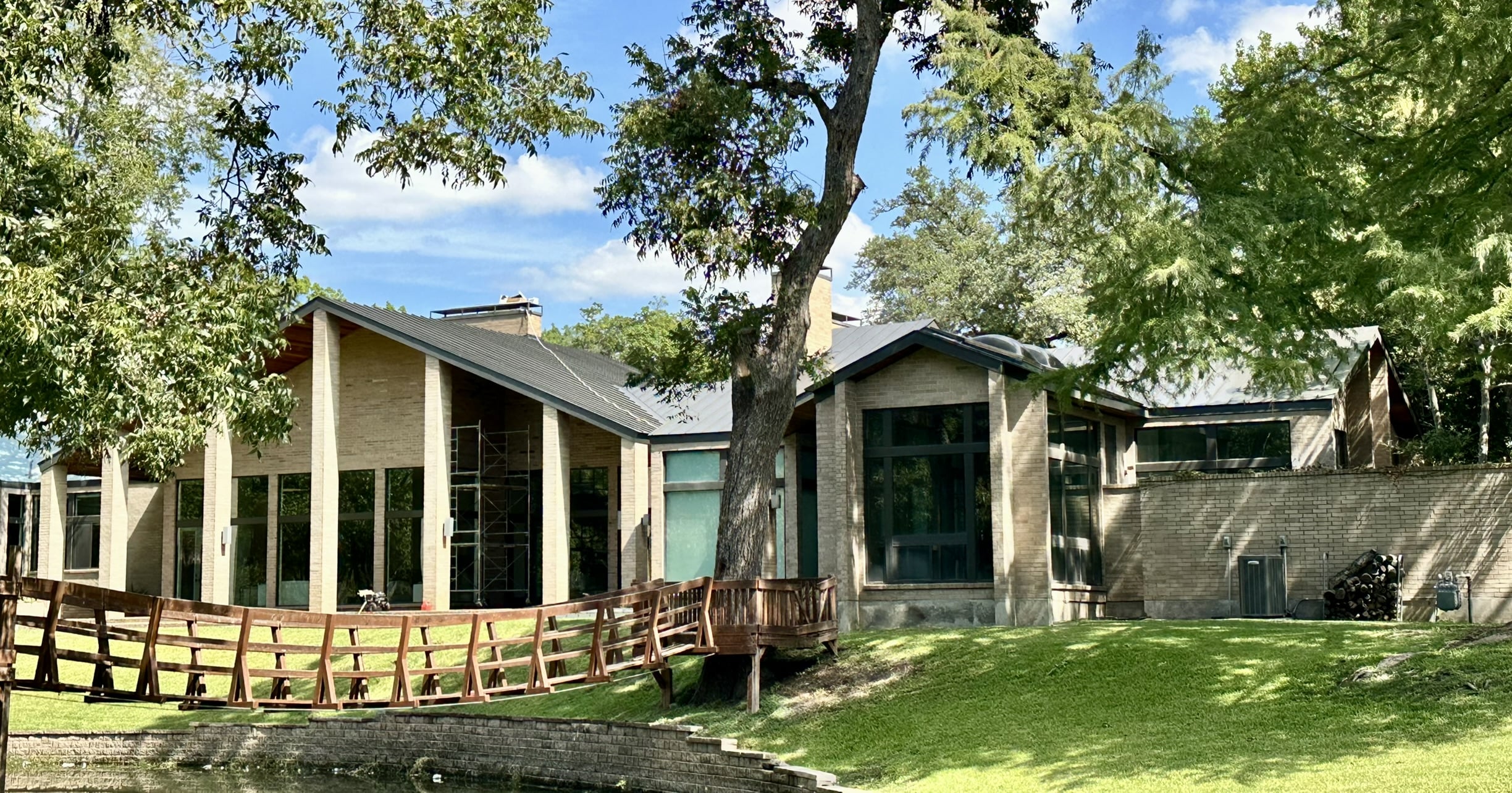
Metal roofing has grown significantly in DFW over the past decade. Standing seam panels and stone-coated metal tiles offer superior hail resistance, energy efficiency, and a lifespan that can exceed 50 years.
Best for: Homeowners planning to stay long-term, properties in high-hail zones, and anyone who wants to eliminate re-roofing cycles.
Lifespan in Dallas: 40–70 years.
DFW considerations: Metal reflects solar heat, which reduces cooling costs in summer — a real advantage when your AC runs 6 months a year. Initial cost is higher than shingles, but the lifetime cost is often lower because you won’t replace it twice.
Clay and Concrete Tile
Spanish tile is a signature look in many DFW neighborhoods — especially in older Dallas, Park Cities, and Lakewood. Tile roofs are extremely durable and fire-resistant.
Best for: Homes with the structural support for heavy materials. Mediterranean, Spanish, and Southwestern architectural styles.
Lifespan in Dallas: 50–100 years for the tile itself. Underlayment may need replacement at 20–30 years.
DFW considerations: Tile is heavy. Not every roof structure can support it without reinforcement. And while the tiles themselves handle hail well, they can crack under direct hits from large hailstones. Repairs require a specialist — not every roofer works with tile.
Solar Shingles
A newer option gaining traction in DFW. Solar shingles integrate photovoltaic cells directly into roofing material, replacing traditional shingles in sections of the roof.
Best for: Homeowners interested in solar energy without the look of traditional panel arrays.
DFW considerations: Dallas averages 234 sunny days per year — one of the highest in Texas. Solar shingles can offset significant electricity costs, especially during peak summer months. However, they cost substantially more than traditional shingles and the technology is still maturing.
How Long Does a Roof Last in Dallas?
This is the question we hear most. The honest answer: it depends on the material, the installation quality, and how well it’s been maintained.
| Material | Typical Lifespan in DFW |
|---|---|
| 3-tab asphalt shingles | 15–20 years |
| Architectural shingles (GAF Timberline) | 25–30 years |
| Metal (standing seam) | 40–70 years |
| Clay/concrete tile | 50–100 years |
| Solar shingles | 25–30 years (technology evolving) |
Why roofs fail faster in Dallas than the national average:
- Heat: Sustained temperatures above 95°F accelerate shingle degradation. Attic temperatures can exceed 150°F without proper ventilation.
- Hail: DFW averages 5–8 significant hail events per year. Each one shortens your roof’s remaining life, even when damage isn’t visible.
- UV exposure: 234 sunny days per year means constant UV bombardment. This breaks down the oils in asphalt shingles over time.
- Thermal cycling: Dallas swings from 20°F in winter to 105°F in summer. That expansion and contraction stresses every fastener, seal, and joint on your roof.
The takeaway: If your roof is approaching 20 years in DFW, it’s time for a professional inspection — even if it looks fine from the ground.
Signs You Need a Roof Replacement
Most homeowners don’t think about their roof until something goes wrong. By then, the damage is often more extensive (and expensive) than it needed to be. Here are the warning signs:
- Your roof is 20+ years old — Most DFW shingle roofs don’t make it past 25 years in good condition.
- Shingles are curling, cracking, or missing — This means the material is failing. Spot repairs only buy time.
- Granules are accumulating in gutters — Those granules protect shingles from UV. When they wash off, the shingle deteriorates fast.
- Visible sagging — A sagging roofline is a structural issue. This isn’t a repair — it’s a replacement, and it’s urgent.
- Daylight visible through the attic — If light gets in, so does water.
- Multiple leaks or recurring repairs — If you’ve patched the same roof three times, you’re spending replacement money on repairs.
- Neighbors are replacing their roofs — Homes built at the same time, in the same neighborhood, with the same materials tend to fail around the same time.
Roof Repair vs. Replacement: How to Decide
Not every problem requires a new roof. Here’s a simple framework:
Repair when:
- Damage is isolated to one area (a few missing shingles, one leak)
- The roof is under 15 years old
- The underlying decking and structure are sound
- Total repair cost is under 30% of replacement cost
Replace when:
- Damage is widespread (multiple areas affected)
- The roof is over 20 years old
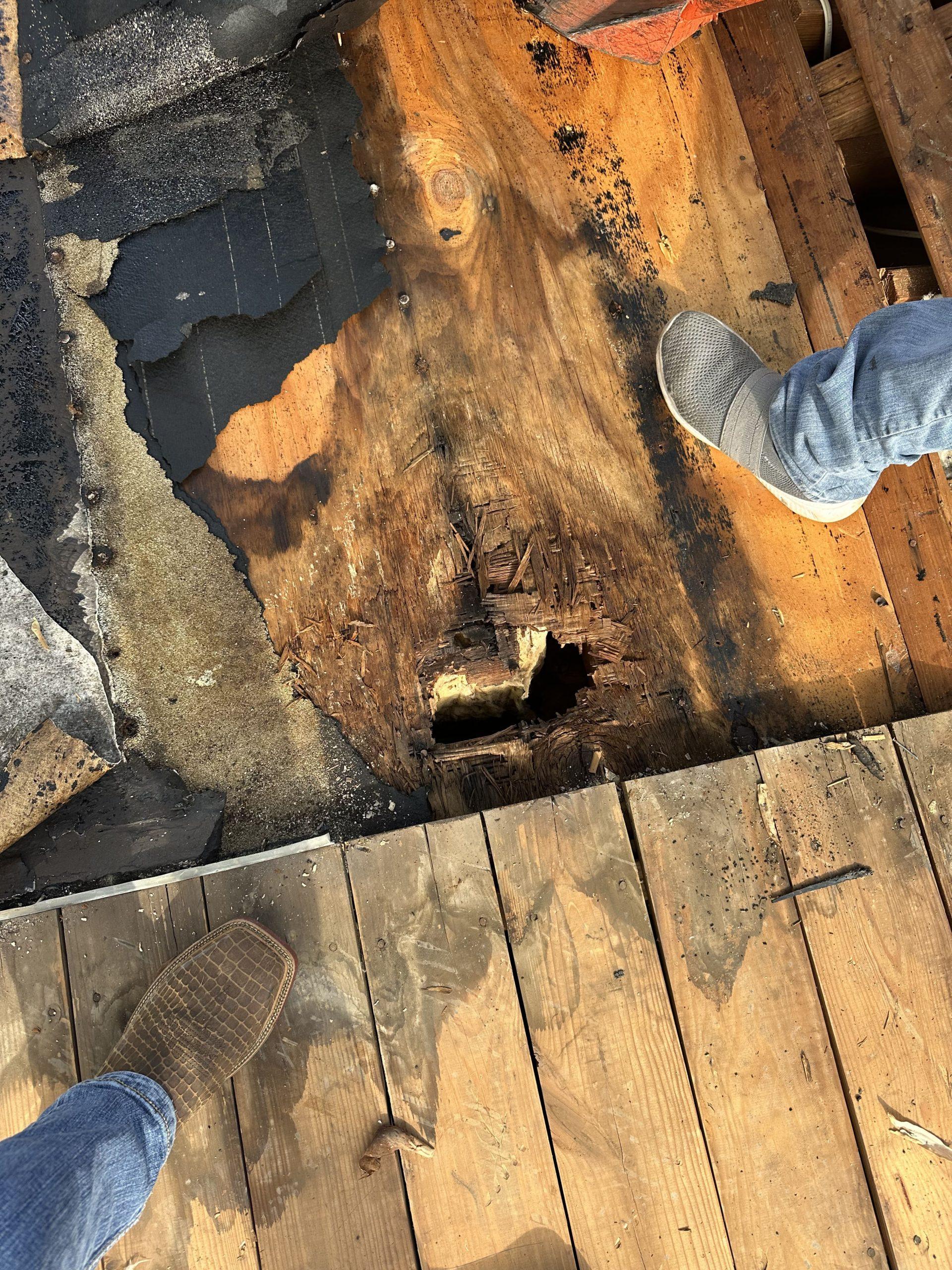
- You’re seeing structural issues (sagging, rotting decking)
- You’ve done multiple repairs in the last 2–3 years
- Insurance is covering storm damage (this is often the most cost-effective time to replace)
he 30% rule: If the cost of repairs exceeds 30% of what a full replacement would cost, replace it. You’ll get a full warranty, better materials, and decades of protection instead of a patch that might last a few years.
What Does a New Roof Cost in DFW?
Cost depends on the size of your roof, the material, the complexity (slopes, valleys, penetrations), and the contractor.
Ballpark ranges for a typical 2,000 sq ft DFW home:
| Material | Typical Lifespan in DFW |
|---|---|
| 3-tab asphalt shingles | 15–20 years |
| Architectural shingles (GAF Timberline) | 25–30 years |
| Metal (standing seam) | 40–70 years |
| Clay/concrete tile | 50–100 years |
| Solar shingles | 25–30 years (technology evolving) |
What affects cost:
- Roof size and pitch — steeper roofs require more labor and safety equipment
- Layers to remove — if there’s an existing layer that needs tear-off, add $1,000–$3,000
- Decking repairs — rotted or damaged decking adds $500–$2,000+
- Complexity — dormers, valleys, skylights, chimneys all add labor
- Material quality — a basic 3-tab shingle costs less than a premium architectural shingle with impact resistance
Important: The cheapest bid is rarely the best value. A contractor cutting corners on underlayment, flashing, or ventilation will cost you more in 5 years than the price difference saved today.
How to Choose a Roofing Contractor in Dallas
DFW has hundreds of roofing contractors. After every hailstorm, dozens more show up from out of state. Here’s how to find one you can trust:
Check credentials
- Licensed and insured (verify — don’t take their word for it)
- Manufacturer certifications matter. GAF Master Elite status means the contractor has met strict standards for training, customer satisfaction, and business practices. Fewer than 3% of roofers nationwide qualify.
- Better Business Bureau rating
Is Your Dallas Roofer Licensed and Insured? Here’s How to Check
Ask for local references
- A contractor who’s been in DFW for decades will have hundreds of local references. A storm chaser who arrived last week won’t.
- Ask for references in your specific city or neighborhood.
Get the warranty in writing
- Workmanship warranty (from the contractor) — minimum 5 years, ideally 10+
- Material warranty (from the manufacturer) — GAF Master Elite contractors can offer the Golden Pledge warranty, the strongest in the industry
- Understand what’s covered and what voids the warranty
Watch for red flags
- Door-knockers who show up after a storm with “limited time” offers
- Contractors who ask for full payment upfront
- No physical business address in DFW
- Pressure to sign before your insurance adjuster has visited
- Unusually low bids (they’re cutting corners somewhere)
Storm Chaser Roofers in Dallas: How to Spot and Avoid Them
Storm Damage and Insurance Claims
DFW is one of the most hail-prone metro areas in the country. If you’ve been through a storm, here’s what to do:
Immediately after the storm
- Document everything. Walk the property and photograph any visible damage — roof, siding, gutters, windows, AC units. Do this before any cleanup.
- Don’t make permanent repairs yet. Temporary tarping is fine (and smart), but don’t replace the roof before your insurance adjuster inspects it.
- Call your insurance company to open a claim. Ask about your deductible and what documentation they need.
Getting a professional inspection
- Get an independent inspection from a licensed roofing contractor — not just the insurance adjuster. Adjusters work for the insurance company. A good roofer works for you.
- Get the inspection in writing with photos and a detailed scope of damage.
Navigating the claim
- Be present for the adjuster’s visit and have your contractor’s inspection report available for comparison.
- Know your rights. In Texas, you have the right to choose your own contractor. Your insurance company cannot force you to use their preferred vendor.
- Don’t sign anything from a contractor until your claim is approved and you understand the full scope.
Roof Maintenance for DFW Homeowners
A well-maintained roof lasts significantly longer than a neglected one. Here’s what to do and when:
Twice a year (spring and fall)
- Clean gutters and downspouts — clogged gutters cause water to back up under shingles
- Trim overhanging branches — branches scrape shingles and drop debris
- Visual inspection from the ground — look for missing, cracked, or curling shingles
After every major storm
- Walk the yard — look for shingle pieces, granules, or debris
- Check metal components — gutters, vents, flashing, and AC units for dent damage
- Schedule a professional inspection if you see anything suspicious or the storm was severe
Every 3–5 years
- Professional roof inspection — a qualified roofer can catch problems invisible from the ground
- Check attic ventilation — poor ventilation is the #1 hidden cause of premature roof failure in DFW
- Inspect flashing around chimneys, vents, and skylights — flashing failures are the most common source of leaks
Never
- Never pressure wash your roof — it strips granules and voids most warranties
- Never ignore a small leak — water damage compounds fast. A $200 repair today prevents a $5,000 problem next year.
Residential Roofing FAQs
Yes. The City of Dallas requires a building permit for roof replacement. Your contractor should handle this. If they don’t mention permits, that’s a red flag.
Yes. A new roof typically recoups 60–70% of its cost in home value and can make the difference between a quick sale and a house that sits on the market.
Technically yes (up to two layers per building code), but we don’t recommend it. Layering hides problems, adds weight, reduces the new roof’s lifespan, and voids most manufacturer warranties.
Fall (September–November) is ideal — mild temperatures, lower humidity, and the storm season is winding down. Spring works too, but you risk storm delays. Summer installations are fine but harder on crews and materials.
Contact us to discuss financing options for your project. Call 214-466-1518.
Ready for a Free Roof Evaluation?
StazOn Roofing has been protecting DFW homes since 1980. As a GAF Master Elite Contractor — a distinction held by fewer than 3% of roofers nationwide — we bring 45 years of experience, factory-trained crews, and the strongest warranty in the industry to every project.
Whether you need a full replacement, storm damage repair, or just want to know where your roof stands — we’ll give you a straight answer with no pressure.
Call 214-466-1518 for a free evaluation.